
But here’s the problem: on-task does not automatically mean engaged.
A student can look perfectly on-task while mentally checking out. At the same time, another student might look “messy” or noisy—but be deeply engaged in meaningful learning.
If our goal is real learning, then we have to move beyond compliance and start focusing on active engagement, student thinking, and meaningful participation.
🔁 From On-Task Behavior to Active Engagement
Traditional “on-task” definitions often prioritize things like:
- Eye contact with the teacher
- Quiet work completion
- Following directions without question
- Staying in assigned seats
These behaviors may indicate compliance, but they do not guarantee learning.
Modern instructional research and high-impact teaching practices emphasize something very different:
students must be actively involved in constructing understanding—not just completing tasks.
That means shifting from passive participation to strategies that require students to think, respond, and interact with content.
Examples include:
- Frequent opportunities to respond
- Collaborative learning structures
- Choice-based assignments
- Active retrieval and reflection strategies
When students are actively engaged, “on-task” becomes irrelevant—because learning is visible in their thinking, not just their behavior.
Why This Distinction Matters
Focusing too heavily on on-task behavior can unintentionally lead to classrooms that look productive but produce shallow learning.
Students may:
- Copy notes without understanding
- Complete assignments mechanically
- Stay silent to avoid disruption
- Appear compliant while disengaged cognitively
Instead, high-impact instruction prioritizes cognitive engagement—students processing, discussing, questioning, and applying ideas.
This is the foundation of stronger retention, deeper understanding, and long-term transfer of learning.
What to Focus on Instead of “On Task”
1. Increase Opportunities to Respond
Replace long periods of passive listening with frequent student responses—oral, written, physical, or collaborative.
2. Design for Student Thinking
Ask questions that require explanation, justification, and reasoning—not just recall.
3. Build Structured Talk Time
Students learn more when they process ideas aloud with peers in structured formats.
4. Reduce Passive Work Time
If students can complete a task without thinking, the task likely needs redesign.
Moving This Into Practice
This shift—from compliance to engagement—is at the center of my work with teachers and schools.
If you want to go deeper into practical strategies that actually increase engagement (without increasing teacher workload), you can explore:
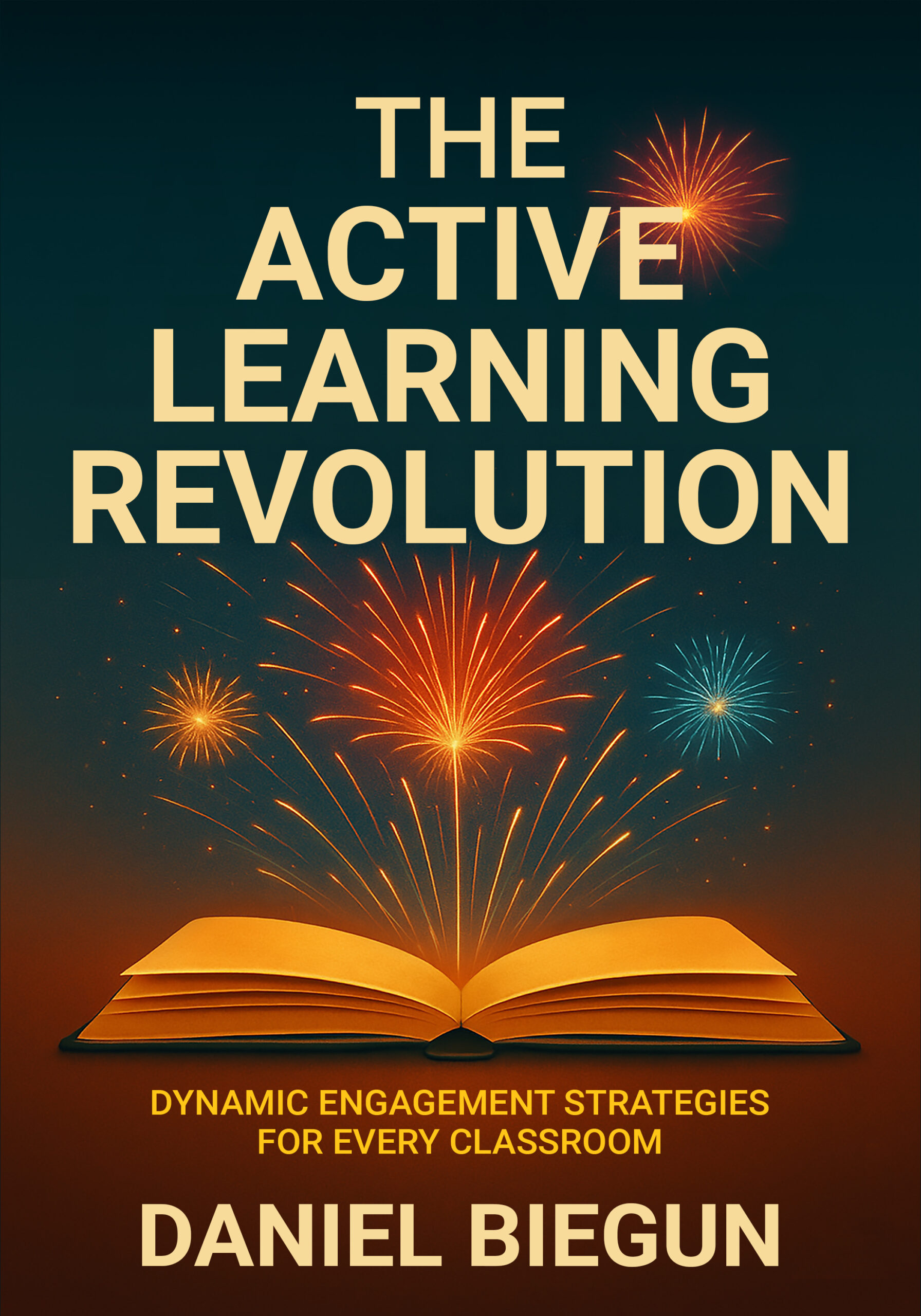
- My book on active learning strategies
- Classroom-ready resources on TPT
- Professional development and speaking sessions for schools
👉 These tools are designed to help teachers move from “students look on-task” to “students are thinking deeply and learning actively.”
Final Thought
The goal of teaching is not to manage students into silence and compliance.
The goal is to create learning environments where students are mentally active, cognitively engaged, and meaningfully involved in their learning.
When that happens, “on-task behavior” stops being the metric that matters—and learning becomes visible in a much more powerful way.