
What Are Choice Boards?
(And Why Every Teacher Should Use Them)
One of the biggest challenges in today’s classroom is meeting the needs of every learner—without creating completely different lessons for each student.
You need a strategy that:
- Supports differentiation
- Increases student engagement
- Promotes ownership of learning
- Doesn’t double your workload
That’s exactly where choice boards come in.
Choice boards are a simple but powerful instructional strategy that gives students options for how they learn, practice, and demonstrate understanding. Instead of assigning one task to every student, you provide a menu of options—and students choose the path that works best for them.
When implemented effectively, choice boards transform classrooms from:
- Passive → Active
- Teacher-directed → Student-driven
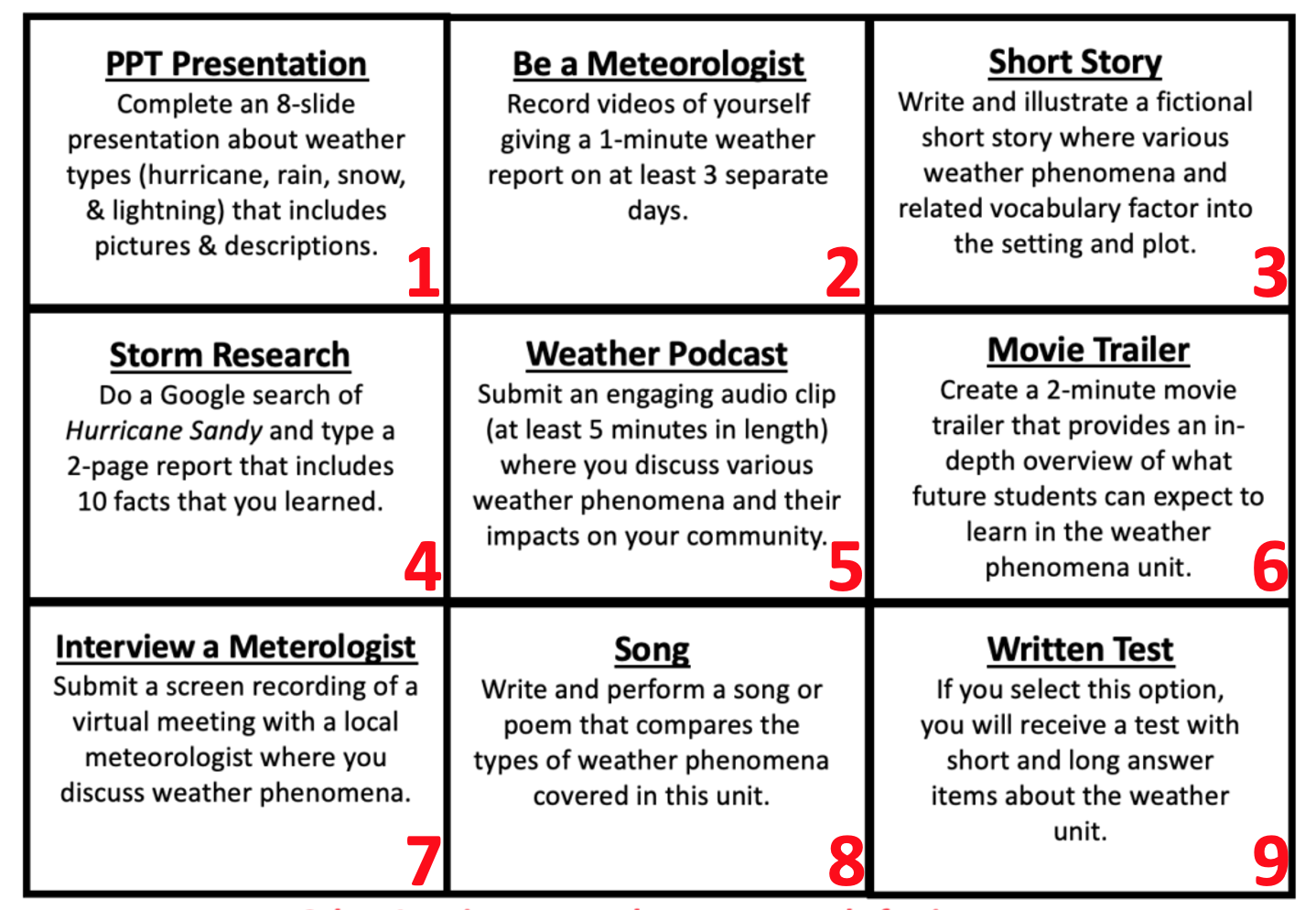
Sample Choice Board:
Why Choice Boards Work
Choice boards aren’t just about giving options—they’re about improving learning.
Here’s why they’re so effective:
1. Increased Student Engagement
When students have choice, they are more invested in their work. Even small decisions—like selecting between tasks—can significantly increase motivation.
2. Built-In Differentiation
Choice boards naturally support:
- Different readiness levels
- Learning preferences
- Student interests
Without requiring you to create entirely separate lesson plans.
3. Student Ownership
Choice boards shift responsibility to students. Instead of asking:
“What do I have to do?”
Students begin asking:
“What do I want to do—and how can I do it well?”
4. Deeper Thinking
Well-designed choice boards move beyond recall and encourage:
- Application
- Creativity
- Critical thinking
Choice Board Examples You Can Use in Any Classroom
If you’re new to choice boards, start simple. Here are a few practical examples:
🧠 Example 1: Understanding the Content
Students choose one:
- Write a summary
- Create a diagram
- Record a short explanation
🎨 Example 2: Creative Expression
Students choose one:
- Design a poster
- Create a comic strip
- Write a poem
🔍 Example 3: Application
Students choose one:
- Connect the topic to real life
- Solve a problem using the concept
- Teach the concept to a partner
💬 Example 4: Reflection
Students choose one:
- Write what they learned
- Ask a question
- Reflect on their effort
👉 Notice: All options target the same learning goal—but allow different approaches.
How to Create a Choice Board (Step-by-Step)
Creating a choice board doesn’t need to be complicated.
Step 1: Identify Your Learning Goal
Start with what students need to learn—not the activity.
Step 2: Create 6–9 Task Options
Include a mix of:
- Difficulty levels
- Learning styles
- Creative vs. structured tasks
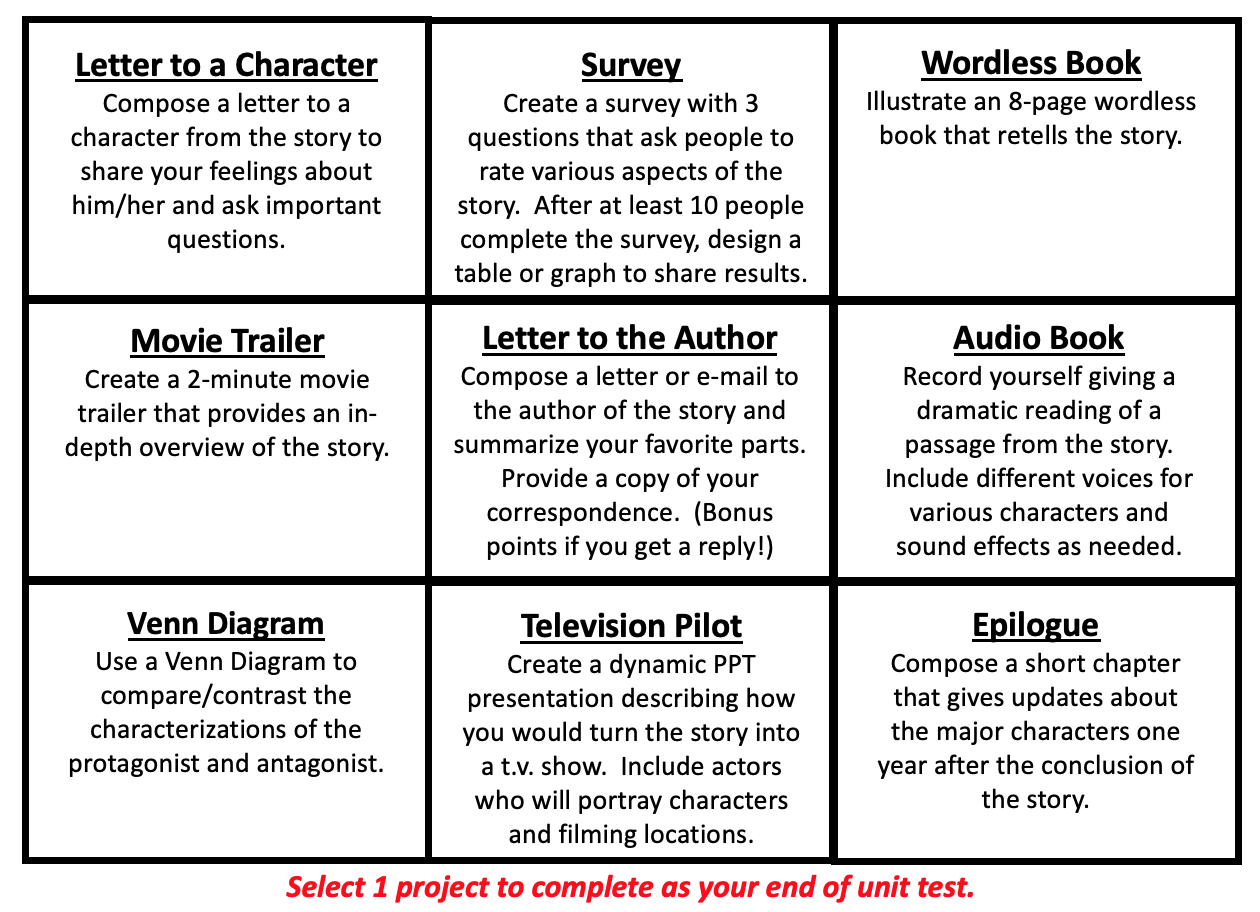
Step 3: Organize in a Grid
Typically:
- 3×3 board
- Students complete a row, column, or choice combination
Step 4: Set Clear Expectations
Define:
- How many tasks to complete
- Quality expectations
- Timeline
Step 5: Reflect and Adjust
Use student work and feedback to refine your boards over time.
Choice Boards for Differentiation and Student Engagement
Choice boards are one of the most effective ways to differentiate instruction without overwhelming yourself.
You can:
- Assign specific tasks to certain students
- Let all students choose freely
- Require a mix (e.g., one creative + one analytical task)
In professional development sessions, this is one of the strategies teachers consistently say they can implement immediately—and see results right away.
Common Mistakes to Avoid
❌ Too many options
Start small. More choices ≠ better.
❌ Tasks with no clear purpose
Every option should connect to your learning goal.
❌ All tasks at the same level
Include variety to challenge all learners.
❌ No accountability
Choice should not mean “easy.” Maintain expectations.
🔗 Want Ready-to-Use Choice Board Templates?
If you like the idea of choice boards but don’t have time to create them from scratch…
👉 This is exactly why I created my editable choice board templates.
They include:
- Ready-to-use formats
- Customizable options
- Flexible use across subjects and grade levels
Perfect for teachers who want high-impact strategies without extra prep time.
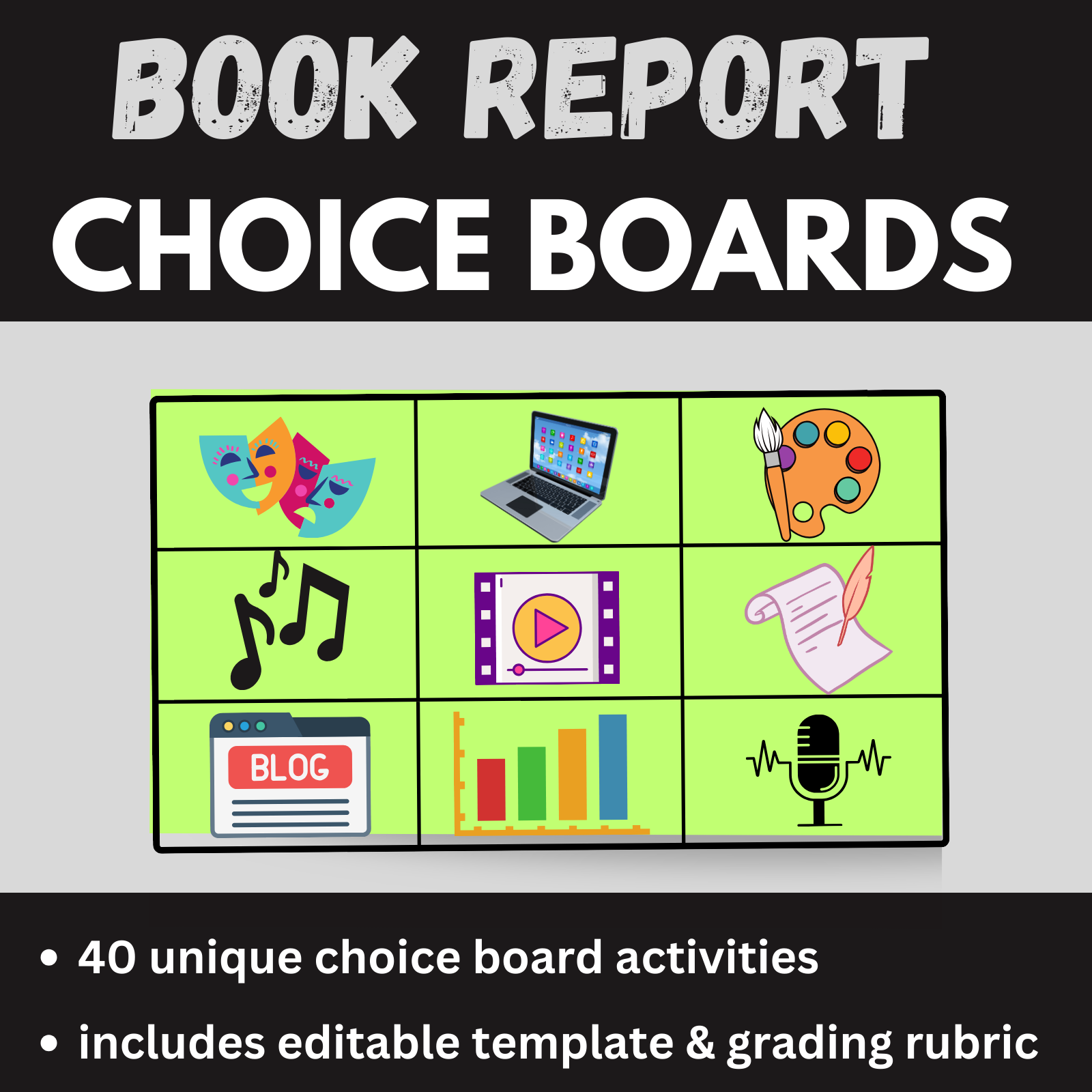
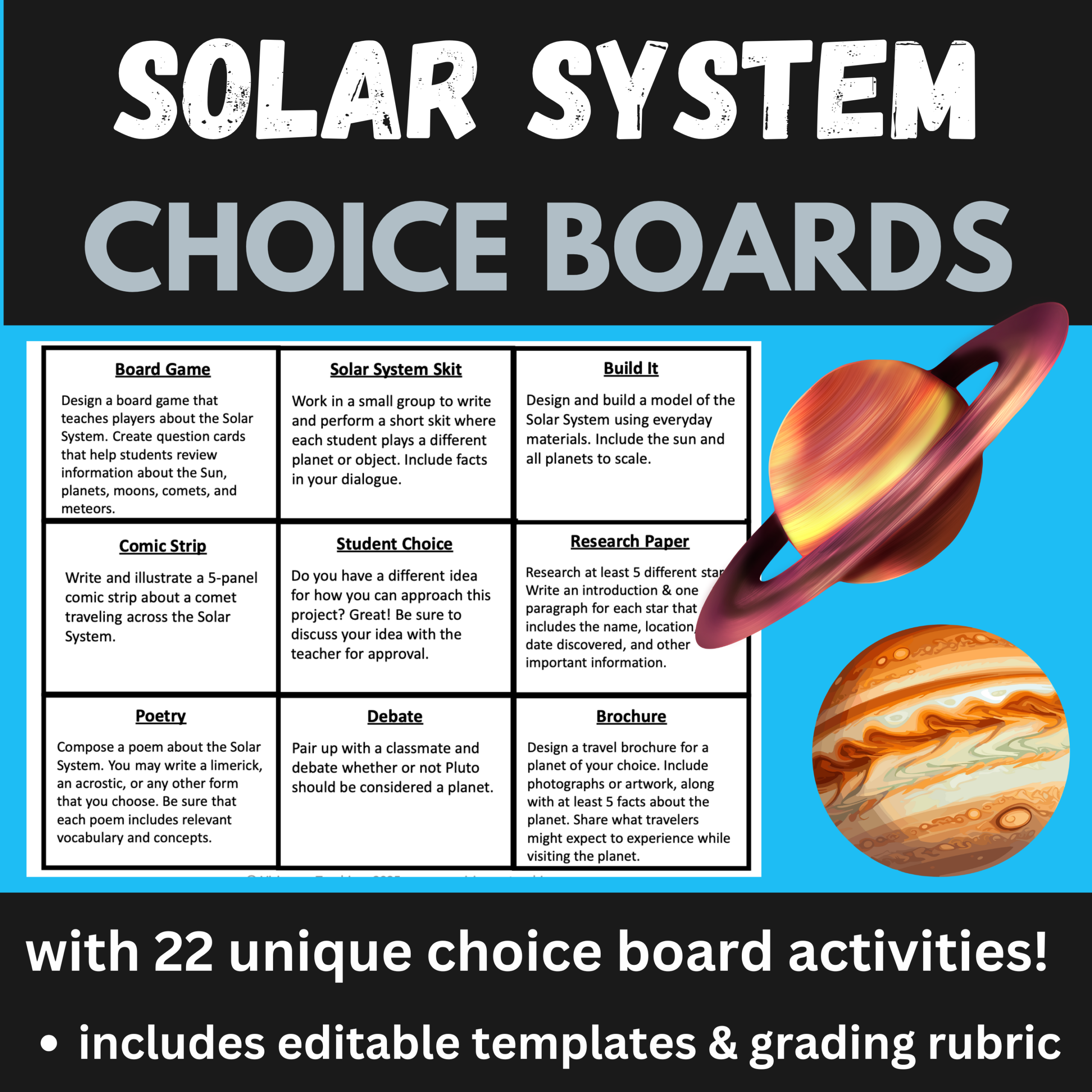
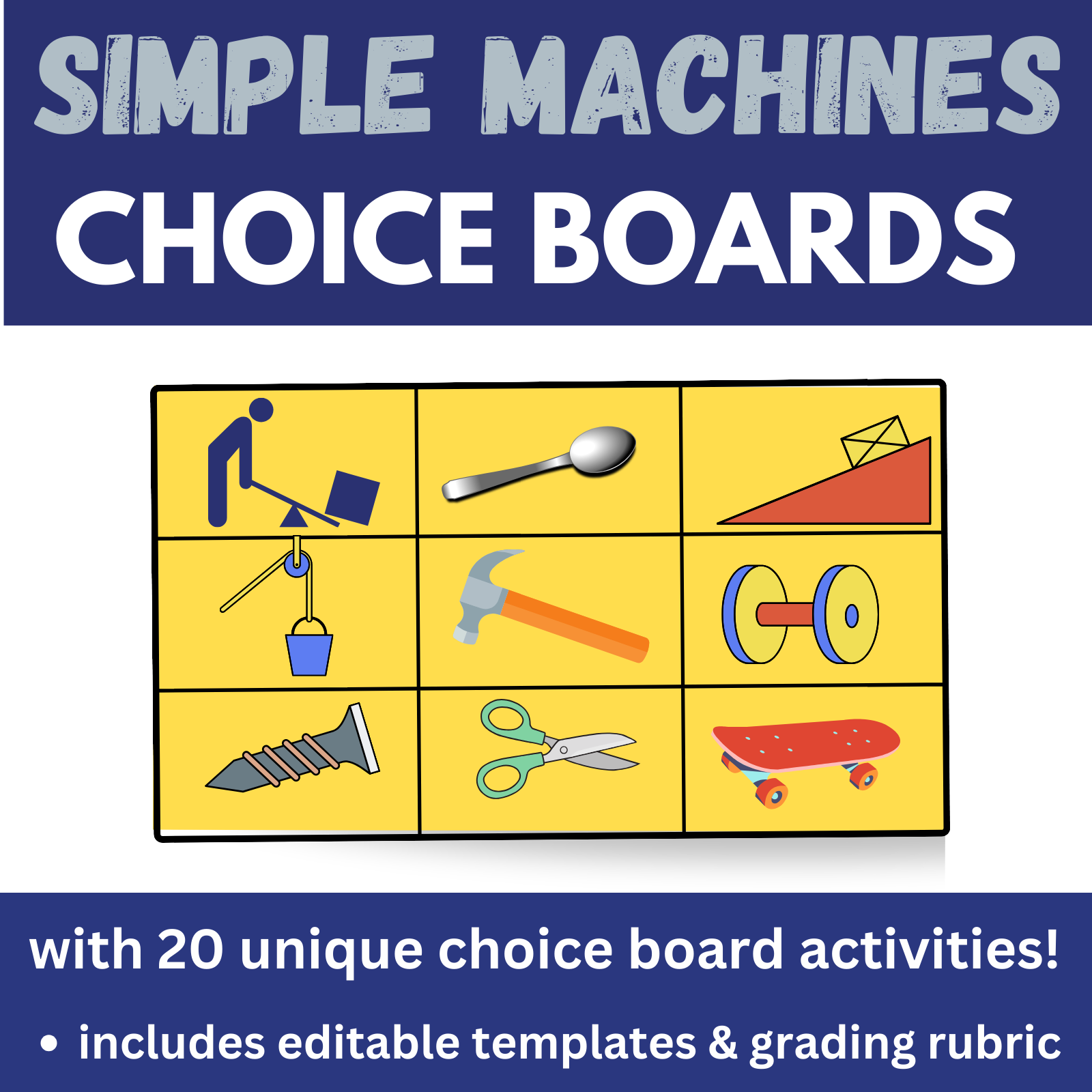
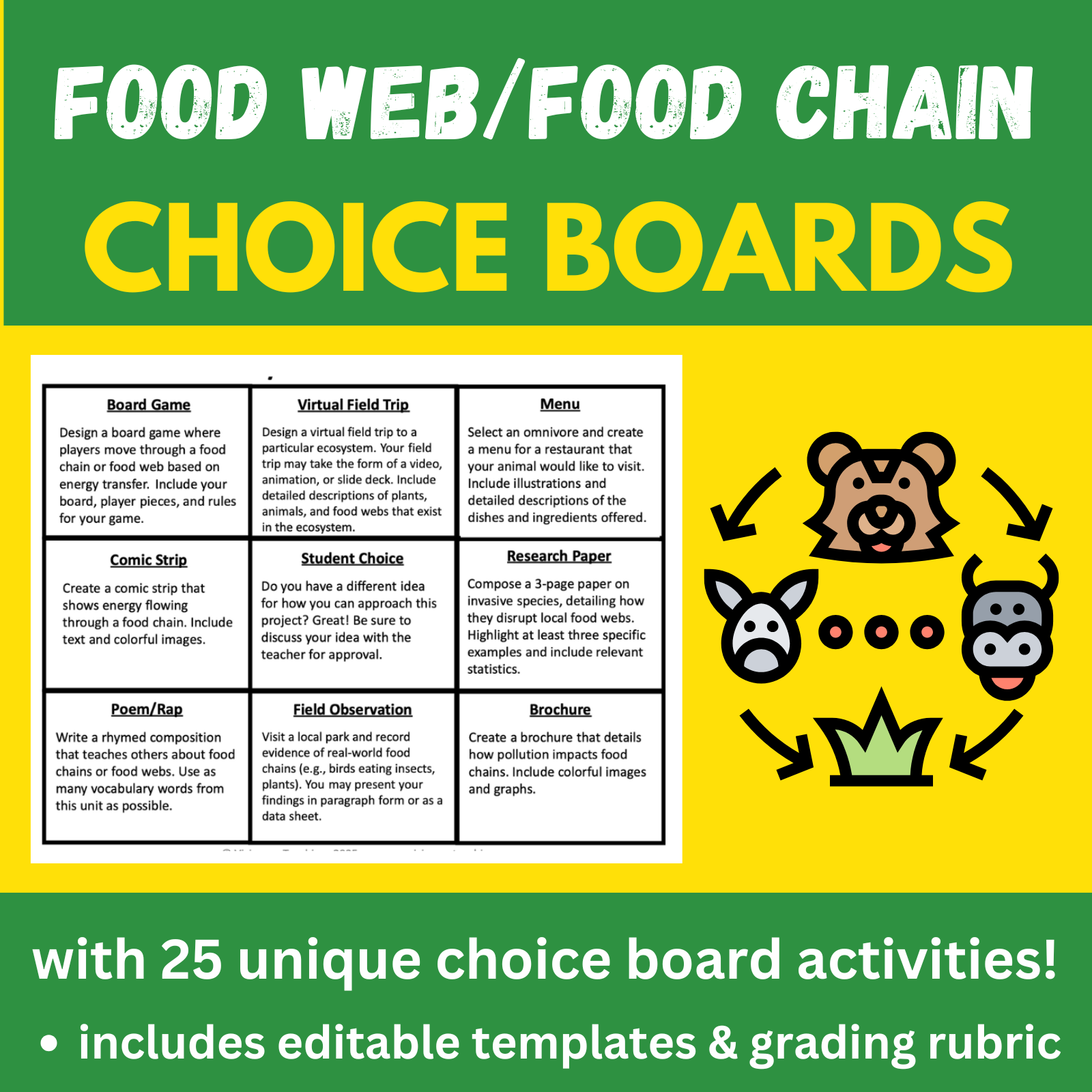
Check out these editable Choice Board sets that include dozens of high-interest activity options:
🔄 Pair Choice Boards with Exit Tickets
Choice boards are even more powerful when paired with formative assessment.
After students complete a choice board task, use an exit ticket to:
- Check for understanding
- Gather feedback
- Guide your next lesson
🎤 Bring This to Your School
Choice boards are one of the most effective strategies for increasing engagement—and one of the most requested topics in my professional development sessions.
I work with schools and districts to help teachers:
- Differentiate instruction
- Increase engagement
- Implement practical, classroom-ready strategies
👉 Ready to bring this to your staff?
Book a keynote or professional development session
🧠 Final Thoughts
Choice boards are simple—but powerful.
They allow you to:
- Meet diverse needs
- Increase engagement
- Give students ownership
- Improve learning outcomes
Start small. Keep it simple. Stay consistent.
And watch how your classroom shifts.