
Most teachers ask great questions—but only a handful of students ever respond.
The result?
A classroom where a few students do the thinking… and everyone else checks out.
Think-Pair-Share is a common classroom activity that gives every learner a chance to think and respond. I am going to share an updated version of Think-Pair-Share that takes active learning to the next level.
And the best part?
It takes zero prep and works in any classroom.
How it Works

The first step for students is to THINK. Be sure to provide plenty of time for students to quietly process and consider potential responses to the prompt. If you would like to add an action-oriented element to the task, you might ask students to represent ideas on individual whiteboards.

Next, students will need to leave their seats and PAIR up with a classmate. You can keep it simple and allow students to choose their own partners or you can add a stipulation such as finding a partner who is wearing a similar pair of shoes
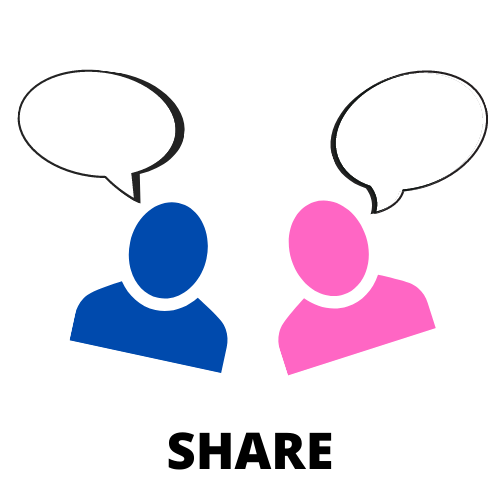
It is now time for students to SHARE their ideas with partners. You will want to give 3-5 minutes for the partners to share their ideas. Adjust the allotted time based on student age and the complexity of the prompt. Tell the class that it is important for each person to listen closely to their partner’s story, as they will need to use that information later in the activity. You might even encourage students to take notes on their whiteboards. This is a great time for you to circulate and listen in on various conversations, giving affirmation or redirection as needed.
This is where a typical Think-Pair-Share activity might end. Increase student engagement and interaction with:
Think-Pair-Share-Pair-Share.
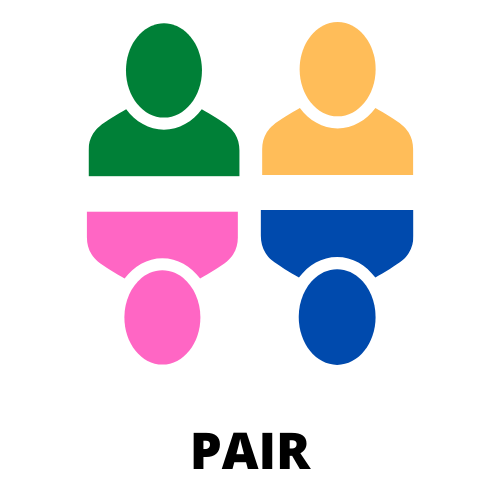
You will now direct each twosome to PAIR up with another duo, forming quartets.
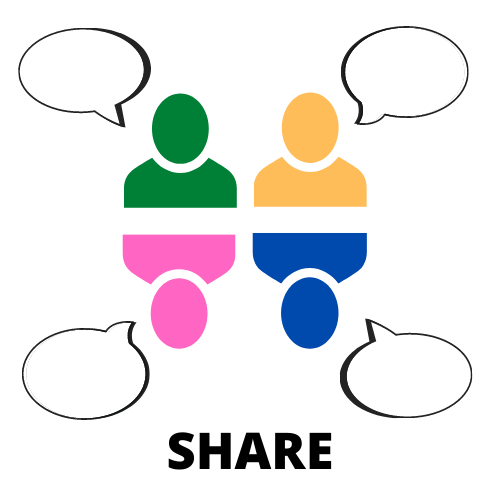
Within each foursome, students will now have 1 minute each to SHARE their partner’s story/idea with the new group. To keep the activity moving along, you might tell your class that the tallest person in each group will go first and then proceed in clockwise order. Once again, the teacher should circulate amongst groups to encourage and praise great discussion.
🔥 WHY THINK-PAIR-SHARE WORKS
1. It Forces 100% Participation
No more relying on volunteers—every student is involved.
2. It Increases Thinking Time
Students need time to process before responding, which improves answer quality.
3. It Builds Confidence
Students “rehearse” answers with a partner before sharing publicly.
4. It Improves Classroom Discussion
Students come prepared with ideas instead of sitting silently.
🚀 The Mistake Most Teachers Make
Most teachers use Think-Pair-Share…
…but they use it wrong.
They:
- skip structure
- allow off-task talk
- don’t hold students accountable
They miss out on opportunities to level up the learning with Think-Pair-Share-Pair-Share.
👉 In my book, I break down exactly how to structure strategies like this so you get real engagement—not fake compliance.
🎤 Want Your Teachers Using Strategies Like This Effectively?
Most PD teaches strategies.
I teach how to implement them so they actually work.
If you want:
- higher engagement
- better instruction
- real classroom impact
👉 Bring me in to work with your staff.