
The first week of school sets the tone for everything that follows.
Will students sit quietly waiting for directions, or will they become active participants in their own learning from day one?
Too often, the first week is filled with lengthy syllabus reviews, classroom rules, and teacher-centered presentations. While routines and expectations are important, students also need opportunities to interact, think, move, discuss, and succeed.
The good news? You don’t need elaborate lesson plans or expensive materials to create an engaging classroom. Sometimes a simple strategy can transform passive learners into active participants.
Below are ten of my favorite classroom-tested engagement strategies that work across grade levels and content areas.
1) Individual Whiteboards
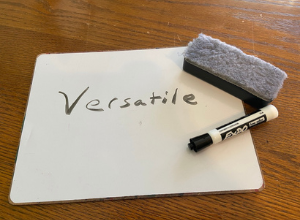
Few classroom tools generate as much participation as individual whiteboards. Use these versatile tools and ask students to:
- Solve a math problem
- Draw a diagram
- Represent a vocabulary definition
- Predict an outcome
- Sketch a scientific process
When everyone holds up their boards simultaneously, every student participates—not just the handful who usually raise their hands.
Why it Works: Teachers receive immediate formative assessment while students experience low-risk participation.
Acquiring Whiteboards: You can purchase whiteboards in bulk or you can use common office supplies to make your own.
2) Four Corners (And Other Movement-Based Activities)
Best for: opinion questions, predictions, reviewing concepts, and getting students moving.
Label each corner of your classroom with a response.
Examples include:
Opinion Prompts
- Strongly Agree
- Agree
- Disagree
- Strongly Disagree
Multiple-Choice Questions
- A
- B
- C
- D
Specific Content
- Ocean
- Rainforest
- Desert
- Tundra
Pose a question and have students move to the corner that best represents their answer. Once there, invite students to discuss why they chose that response before sharing with the class.
Why it Works: Students must commit to an answer, defend their thinking, and hear multiple perspectives—all while incorporating movement that helps maintain attention.
Pro Tip: Ask students if anyone changed their thinking after hearing classmates explain their reasoning. Those conversations often produce the richest learning.
3) Incorporate Pinch Cards into Daily Instruction
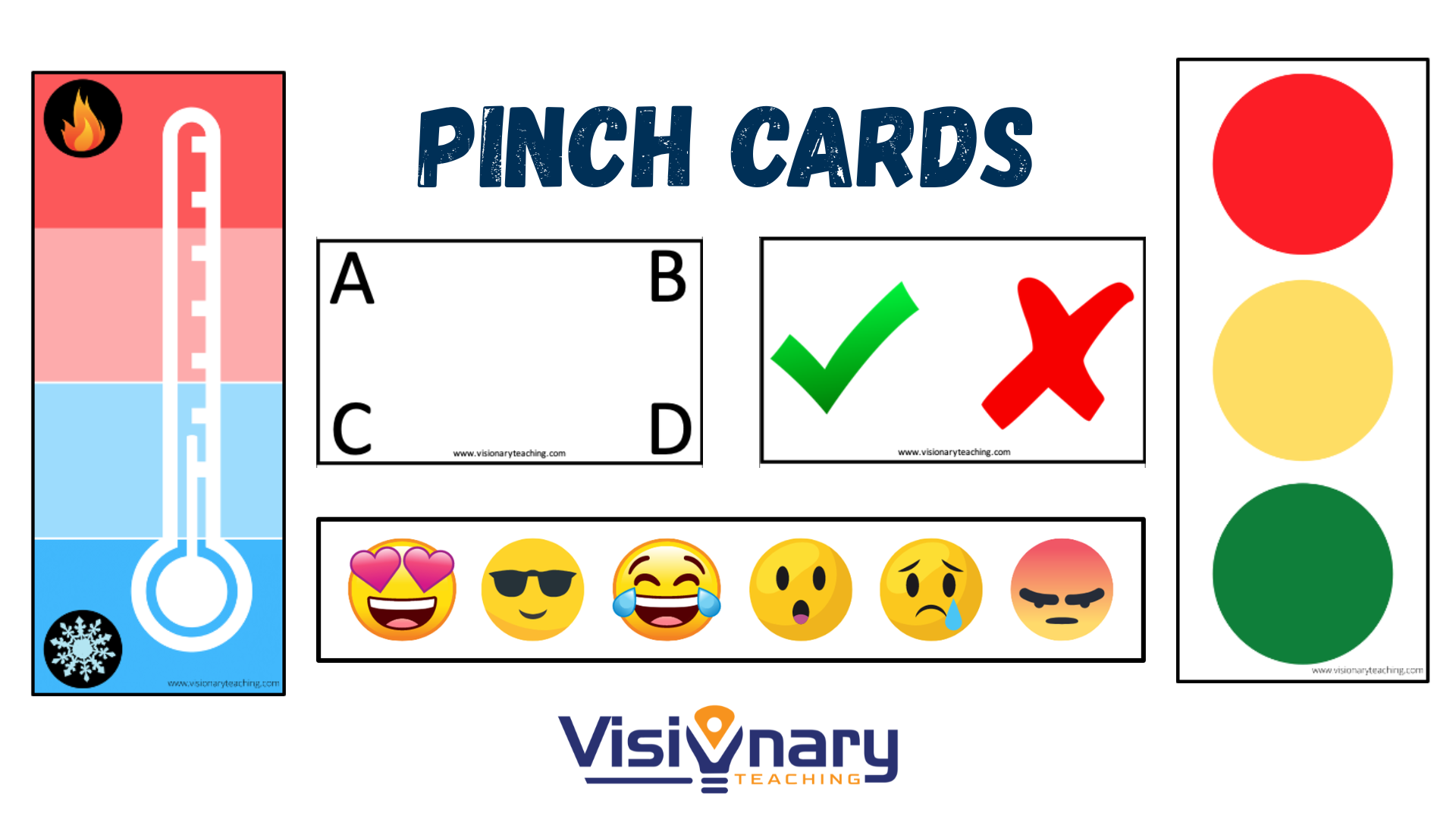
Instead of relying on raised hands, give every student a set of pinch cards to use throughout the day.
Examples include:
- Agree/Disagree
- A / B / C / D
- Emoji Response
- Thermometer
As questions are asked, students hold up their responses simultaneously.
Why it Works: Every learner participates, and teachers instantly identify misconceptions before moving forward.
Learn more about Pinch Cards, including best practices, how to get them, and how to incorporate them into any lesson.
4) Less Teacher Talk, More Student Talk
One of the biggest shifts teachers can make is moving from teacher talk to student thinking and discussion. Engagement is not measured by how much the teacher says—it’s measured by how much students are actively processing ideas.
In a highly engaged classroom, students are explaining their reasoning, asking questions, comparing answers, debating ideas, and teaching one another. The teacher still plays a critical role, but instead of delivering all of the thinking, the teacher designs opportunities for students to do the thinking themselves.
A simple question can transform a lesson:
Instead of: “Does everyone understand?“
Try: “Turn to a partner and explain why you chose that answer.”
5) Exit Tickets That Spark Reflection
Learning shouldn’t end when students pack their backpacks.
Instead of asking, “Any questions?” provide a quick prompt.
Examples include:
- The most important thing I learned today was…
- One question I still have is…
- Something that surprised me today was…
- I feel confident about…
- Tomorrow I need help with…
These responses provide valuable insight while encouraging students to reflect on their learning.
Why it Works: Reflection strengthens learning while giving teachers actionable information for future instruction.
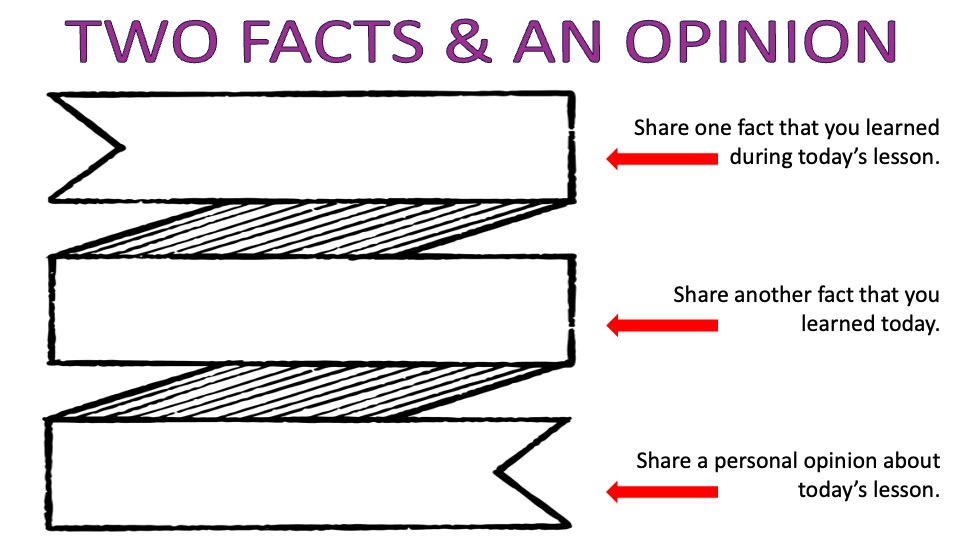
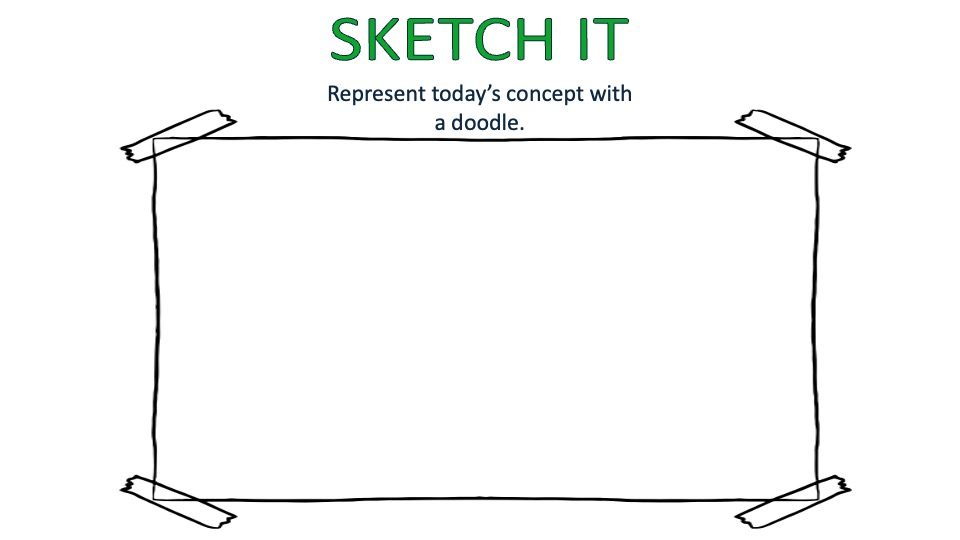
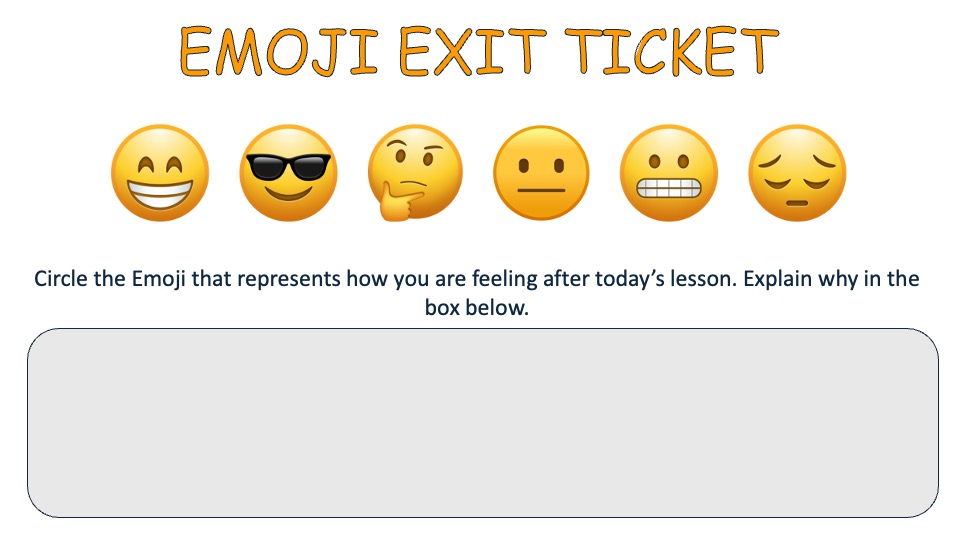
How would you like 30 unique, ready-to-use Exit Ticket options?
Why These Strategies Work
Although these activities look different, they share several important characteristics.
They encourage every student—not just volunteers—to participate.
They provide immediate formative assessment.
They increase movement, discussion, and thinking.
Most importantly, they create classrooms where engagement becomes the expectation rather than the exception.
Research consistently shows that students learn more when they actively process information rather than passively receive it. Even small shifts toward active learning can dramatically increase participation and understanding.
Start Small
If you’re feeling overwhelmed, don’t try all five strategies tomorrow.
Choose one.
Use it consistently for a week.
Reflect on what worked.
Then add another.
Over time, these small changes create classrooms where students expect to think, discuss, collaborate, and participate every day.
Ready for Even More Active Learnign Strategies?
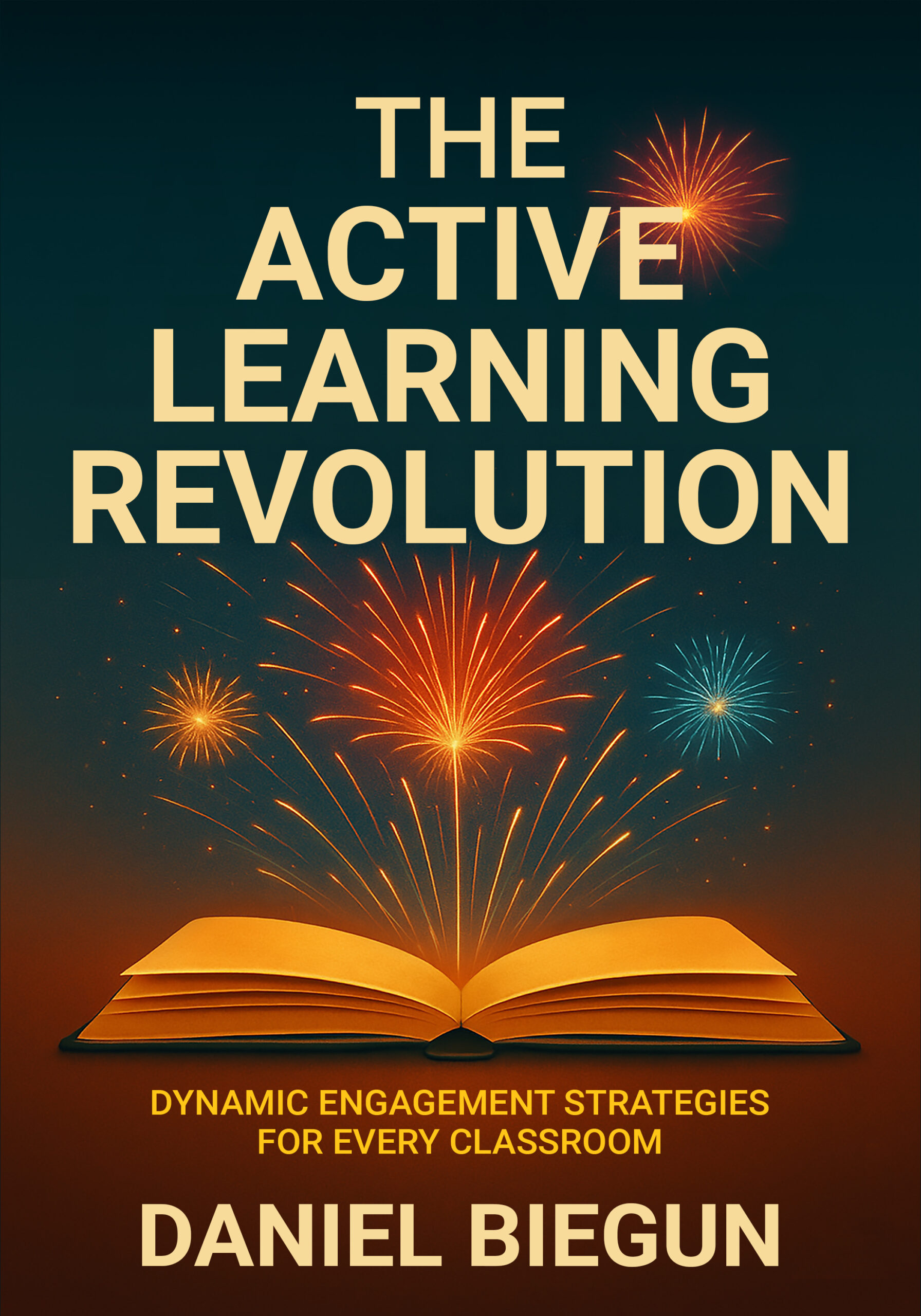
The strategies above are just a small sample of what’s possible.
In The Active Learning Revolution, you’ll discover more than 50 classroom-tested engagement strategies, along with practical implementation tips, sample prompts, differentiation ideas, formative assessment techniques, and ready-to-use resources that help transform passive classrooms into highly engaging learning environments.
Whether you teach elementary school, middle school, high school, or adult learners, you’ll find strategies that can be implemented immediately.
If your school or district is looking to increase student engagement through interactive professional learning, I also offer workshops and keynote presentations designed to model these strategies in action. Participants don’t just hear about active learning—they experience it firsthand.