
If you’re looking for a simple, low-cost strategy that gets every student actively involved, pinch cards might be the most powerful tool you’re not using yet.
Also known as response cards or hold-ups, pinch cards transform passive classrooms into highly interactive learning environments—without relying on technology.
In this guide, you’ll learn:
- What pinch cards are
- Why they dramatically increase engagement
- 7 practical ways to use them immediately
- How to get printable versions (including full-color sets)
What Are Pinch Cards?
Pinch cards are small cards that allow students to respond to questions by pinching a section of the card and holding it up.
Instead of calling on one student at a time, you instantly see every student’s thinking at once.
Think of them as:
- A low-tech alternative to clickers or Kahoot
- A high-impact formative assessment tool
- A way to give every student a voice—every time
Why Pinch Cards Work (Backed By Engagement Research)
Pinch cards align directly with one of the most powerful instructional strategies: Opportunities to Respond (OTR).
When students respond frequently:
- Engagement increases
- Behavior issues decrease
- Retention improves
- Teachers get real-time data
Key Benefits
✔ 100% participation (no more “volunteer bias”)
✔ Instant formative assessment
✔ No tech required
✔ Portable and flexible (use anywhere)
✔ Low cost or free to create
Best Practices for Using Pinch Cards
Before jumping in, a few non-negotiables:
- All students must have identical cards (same layout = instant scanning)
- Give think time (5–20 seconds) before responses
- Use a consistent reveal cue (“3, 2, 1… show”)
- Pair with follow-up strategies (turn-and-talk, whiteboards, etc.)
6 Powerful Ways to Use Pinch Cards
1. Agree/Disagree (Best for Critical Thinking)
Students respond to open-ended prompts like:
- “The main character made the right decision.”
- “Homework improves learning.”
💡 Follow-up:
- Turn and justify your answer
- Debate with someone who disagrees
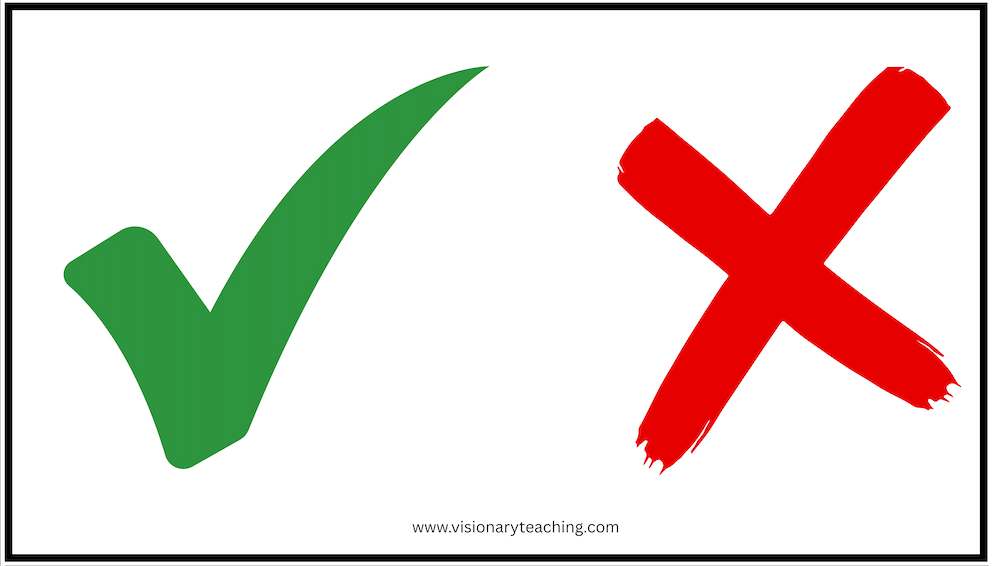
2. True/False (Best for Quick Checks)
Use for fast formative assessment:
- “7 is a prime number.”
- “A heptagon has 6 sides.”
💡 Pro tip: Ask the same question before and after teaching to measure growth.
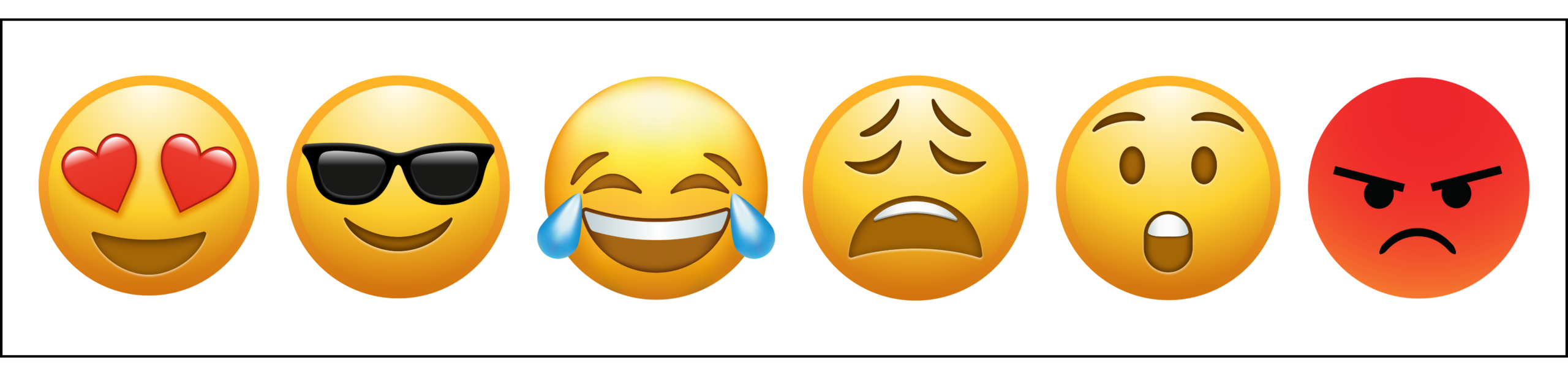
3. Emoji Responses (Best for Student Voice)
Students use emojis to show feelings about:
- A lesson
- A topic
- Their learning
💡 This is powerful for:
- Engagement data
- Social-emotional insight
- Student reflection
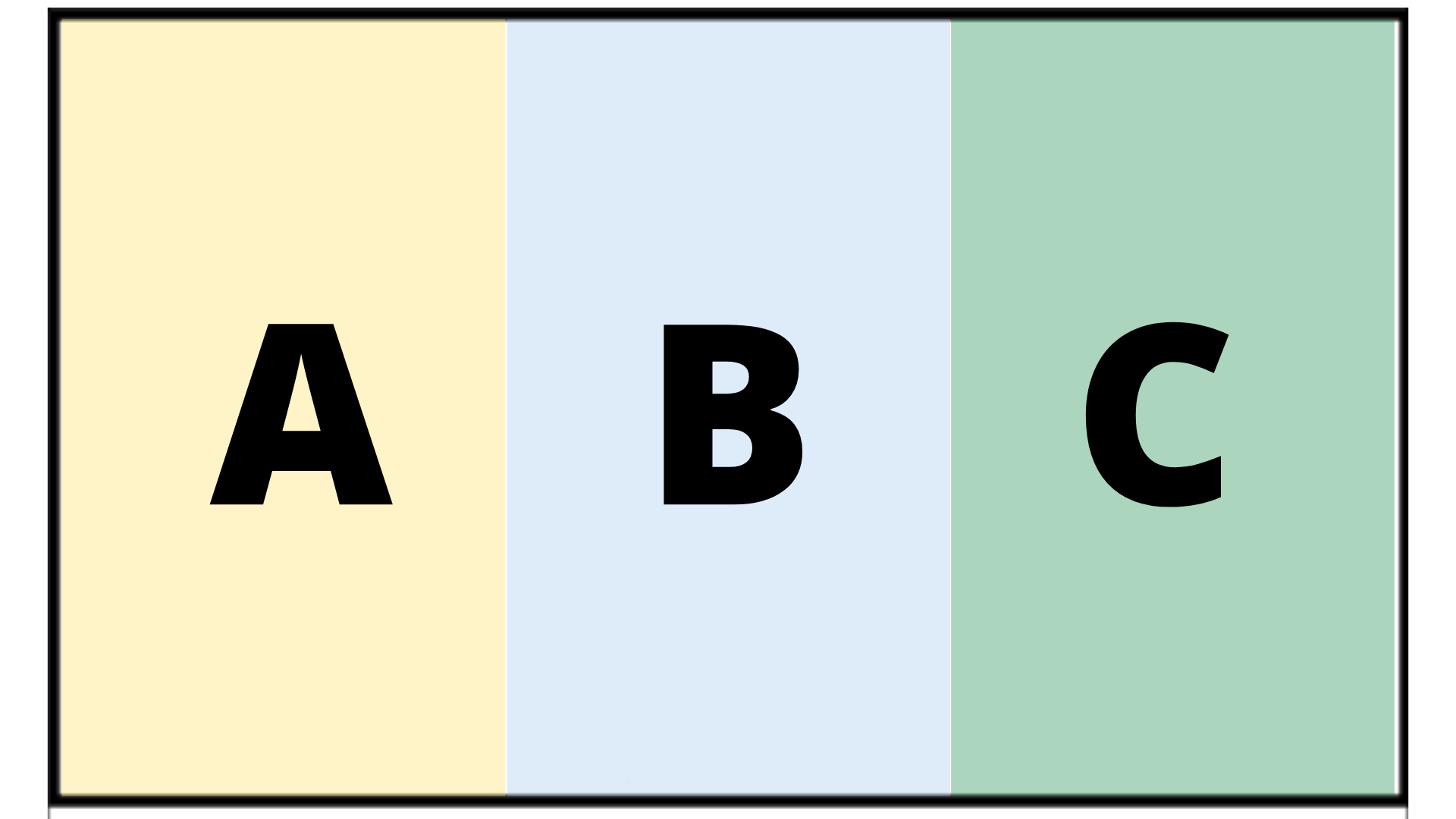
4. Multiple Choice (Best for Content Review)
A simple, effective alternative to digital tools.
Use for:
- Review questions
- Test prep
- Predictions
💡 Bonus: Works for both right/wrong AND opinion-based questions
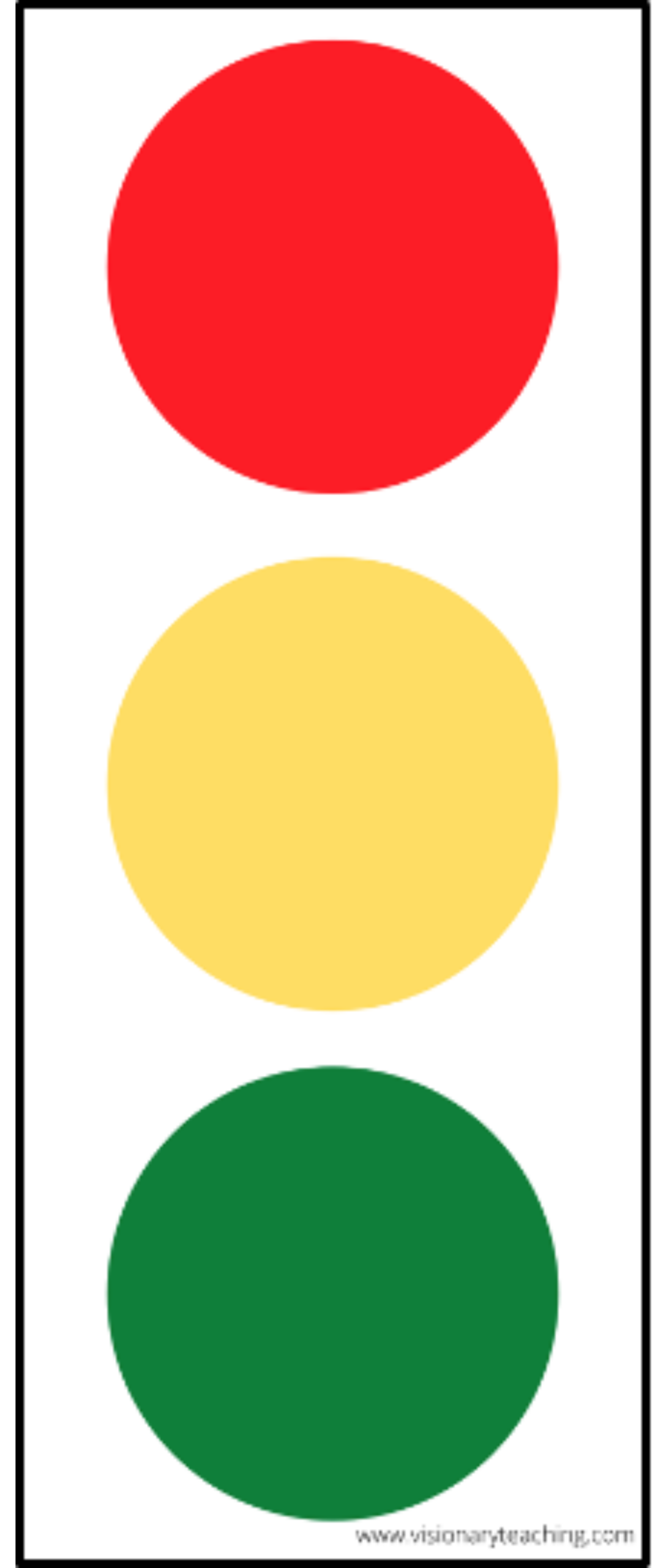
5. Traffic Light (Best for Self-Assessment)
Students respond:
- 🟢 Green = confident
- 🟡 Yellow = unsure
- 🔴 Red = struggling
Use for:
- “How prepared are you for the quiz?”
- “How is the pace of this lesson?”
💡 This is one of the fastest ways to adjust instruction in real time.
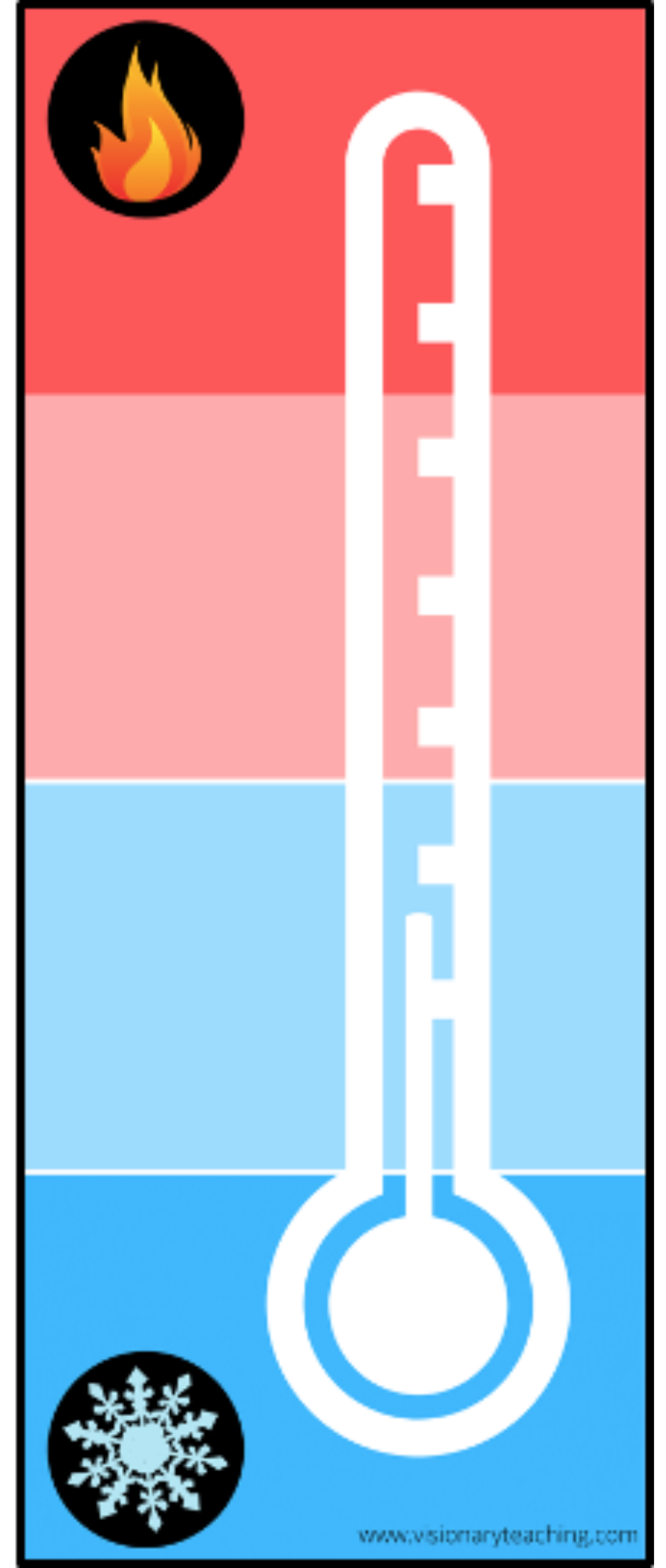
6. Thermometer Scale (Best for Ratings)
Students rate responses on a continuum:
- Hot (very confident)
- Warm
- Cool
- Cold (not confident)
💡 Powerful for:
- Reflection
- Differentiation
- Grouping students for support
How to Get Started (3 Simple Options)
Option 1: Make Your Own
- Index cards + markers
- Fast and free
Option 2: Digital Design
- Use Canva, Google Docs, or PowerPoint
- Print and laminate
Option 3: Done-for-You Resources
If you want ready-to-use, full-color pinch cards,
I’ve created complete sets you can print immediately.
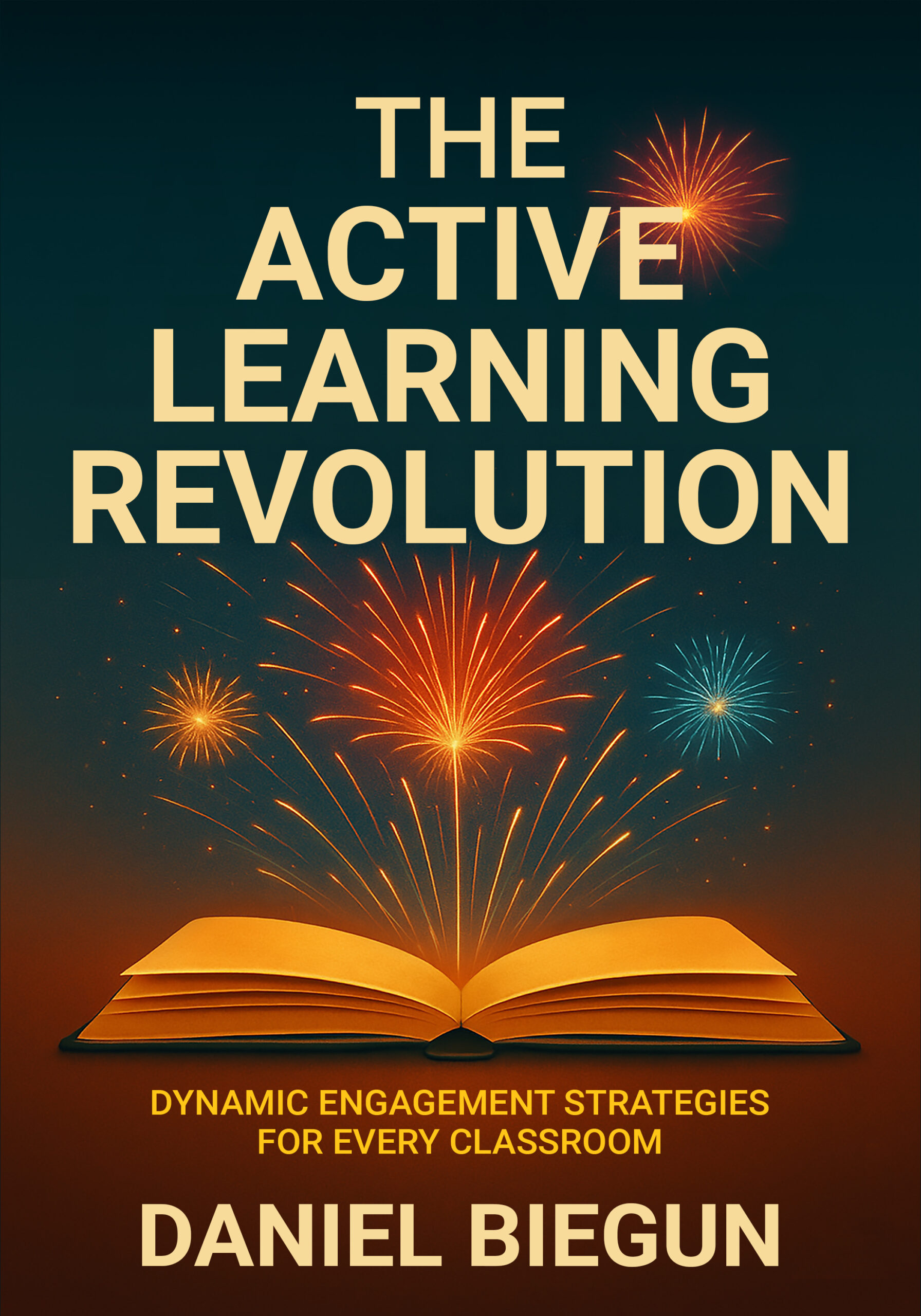
📘 My book: The Active Learning Revolution → Includes access to printable pinch cards
🛒 My TPT store→ Ready-made classroom resources to save you time
Want to See Pinch Cards in Action?
I regularly work with schools and districts to help teachers:
- Increase engagement
- Improve instructional practices
- Use strategies like pinch cards effectively
👉 Book me for professional development or speaking events
(Perfect for PD days, conferences, and workshops)
Final Thoughts
Pinch cards are simple—but incredibly powerful.
When every student responds, every student learns.
If you’re looking for a strategy that is:
- Easy to implement
- Highly engaging
- Instructionally effective
👉 Start with pinch cards.