Passive Learning vs Active Learning: What’s the Difference?
In many classrooms, learning still looks like this: students sit quietly, listen to lectures, watch videos, complete worksheets, and read silently. These methods fall under passive learning—where students receive information but rarely interact with it in meaningful ways.
Active learning, on the other hand, transforms students from receivers of information into participants in the learning process. Instead of simply consuming content, students engage through thinking, discussing, solving, creating, collaborating, and responding.
Passive learning asks:
“Did you hear it?”
“Did you read it?”
“Did you watch it?”
Active learning asks:
“Can you use it?”
“Can you explain it?”
“Can you apply it?”
“Can you solve something with it?”
Why Active Learning Is Better for Students
Active learning works because learning is not a spectator sport. When students actively engage with content, they:
-
- Improve knowledge retention
- Strengthen critical thinking skills
- Develop problem-solving abilities
- Increase student engagement and motivation
- Reduce behavior issues and off-task behavior
- Build collaboration and communication skills
- Gain deeper conceptual understanding
Students don’t learn best by being told—they learn best by doing.
Educators looking to move beyond theory and into real classroom transformation often ask the same question: “Where do I start?”
In The Active Learning Revolution, I break down how to shift from passive instruction to high-impact active learning using practical strategies, classroom-ready frameworks, and real implementation models teachers can use immediately—without needing new programs, tech, or curriculum changes.
High-Impact Active Learning Examples for Teachers
1. Opportunities to Respond
- Choral
- Whiteboards
- Pinch Cards
- Gestural responses
2. Problem-Based Learning
- Real-world problem solving
- Escape room-style activities
- Scenario challenges
- Scavenger hunts
3. Collaborative Learning
- Think-Pair-Share-Pair-Share
- Trade, Trade, Chat
- Jigsaw Learning
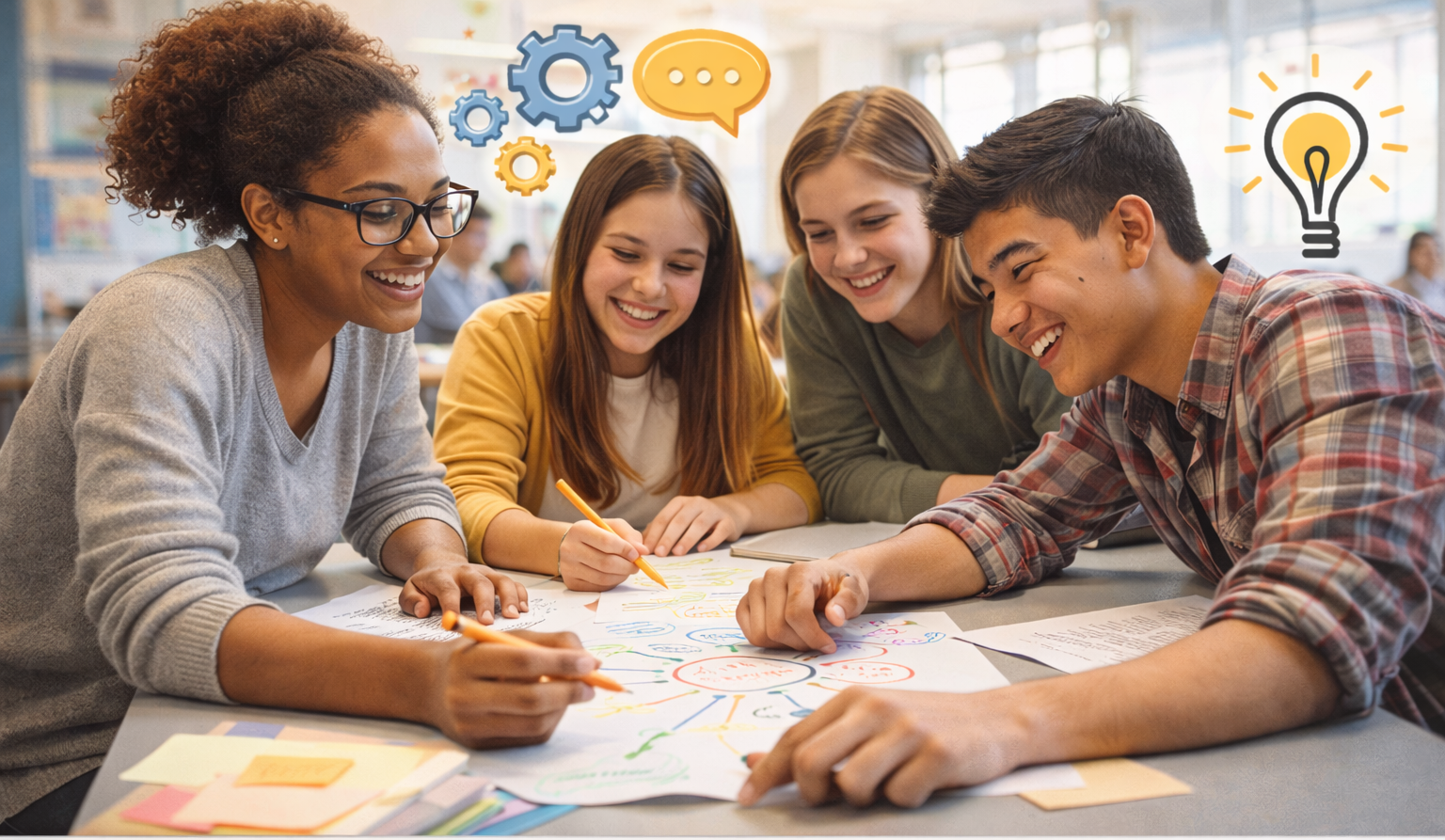
Active Learning Classrooms Are:
- Noisy (productive noise)
- Student-centered
- Movement-friendly
- Collaboration-driven
- Inquiry-based
- Engagement-focused