
Universal Design for Learning (UDL) is one of the most powerful frameworks for increasing student engagement and accessibility in today’s classrooms. In this post, you’ll find practical UDL strategies, classroom examples, and ready-to-use ideas aligned to the three core principles: engagement, representation, and action & expression. Whether you’re new to UDL or refining your practice, this guide will help you design lessons that reach every learner.
🔗 UDL Strategy Library (Click to Explore)
Visionary Teaching is all about UDL! Explore these great strategies and resources.
Engagement Strategies
- 👉 Active Engagement vs. On-Task Behavior
- 👉 Using Pinch Cards to Increase Engagement
- 👉 Opportunities to Respond That Improve Learning
Action & Expression Strategies
Representation Strategies
Want Ready-to-Use UDL Strategies?
Many of the strategies in this post come directly from my book, which provides step-by-step guidance, classroom examples, and ready-to-use tools to help you implement UDL immediately.
Done for You UDL Resources!
Save time and implement UDL tomorrow with my ready-made resources:
Choice Boards
Pinch Cards for Engagement
Exit Tickets
Student Engagement Activity Bundle
UDL has 3 brain networks:
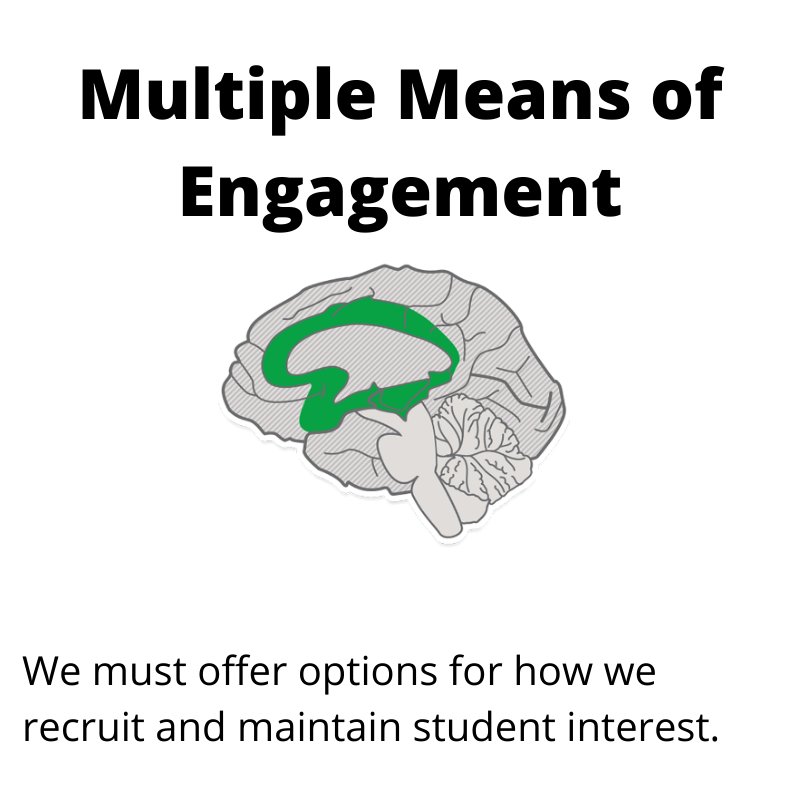
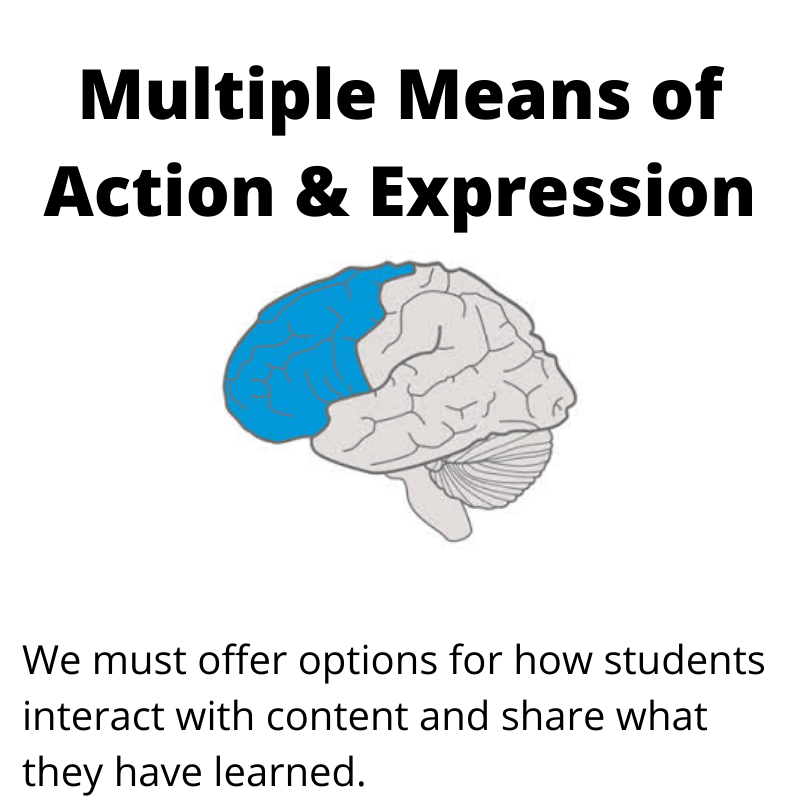
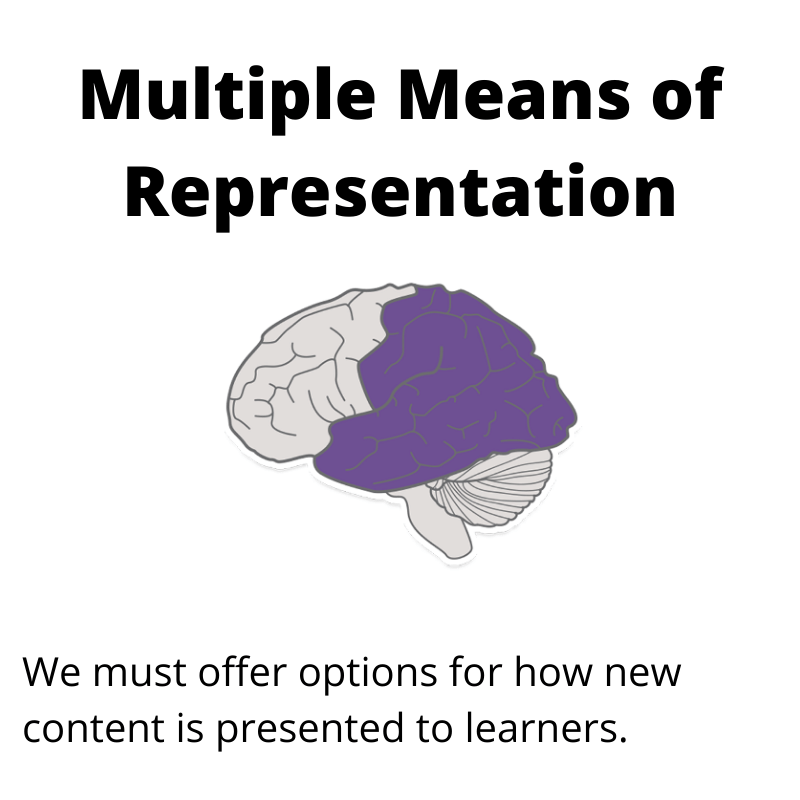
The Importance of Variety and Options
Every learner represents a unique blend of strengths, interests, experiences, and preferences. As teachers, we often tend to teach to our own strengths and preferences. We must account for student variance and plan instruction that gives all learners an equitable opportunity to be successful.
Providing variety in how we engage, teach, and assess enables students to identify their learning strengths and preferences. When students have a choice in how they take in new information and share what they have learned, they are more likely to be successful.