
Student Engagement Strategies That Transform Learning
Move beyond passive instruction with powerful, practical strategies that get every student thinking, responding, and participating.Student engagement is the foundation of meaningful learning—but it’s also one of the biggest challenges educators face today. When students are actively engaged, they think more deeply, retain more information, and take greater ownership of their learning. When they’re not, even the best lesson plans fall flat.
This page is your comprehensive guide to student engagement strategies that work in real classrooms. Whether you’re trying to re-engage disengaged learners, increase participation, or create a more dynamic learning environment, you’ll find practical, research-informed approaches you can use immediately.
Below, you’ll find a curated collection of strategies, tools, and techniques designed to help you increase engagement across grade levels and content areas—along with expert insights to help you apply them effectively.
Why Student Engagement Matters
Engaged students are more likely to:
- Retain and apply what they learn
- Participate in meaningful discussions
- Develop critical thinking skills
- Take ownership of their learning
- Show improved academic outcomes
On the other hand, low engagement often leads to off-task behavior, shallow understanding, and frustration—for both students and teachers.
Student Engagement Strategies You Can Use Right Away
Below, you’ll find a collection of proven strategies you can implement immediately. Each one is designed to increase participation, deepen thinking, and create a more engaging learning experience.
🔥 Active Learning Strategies
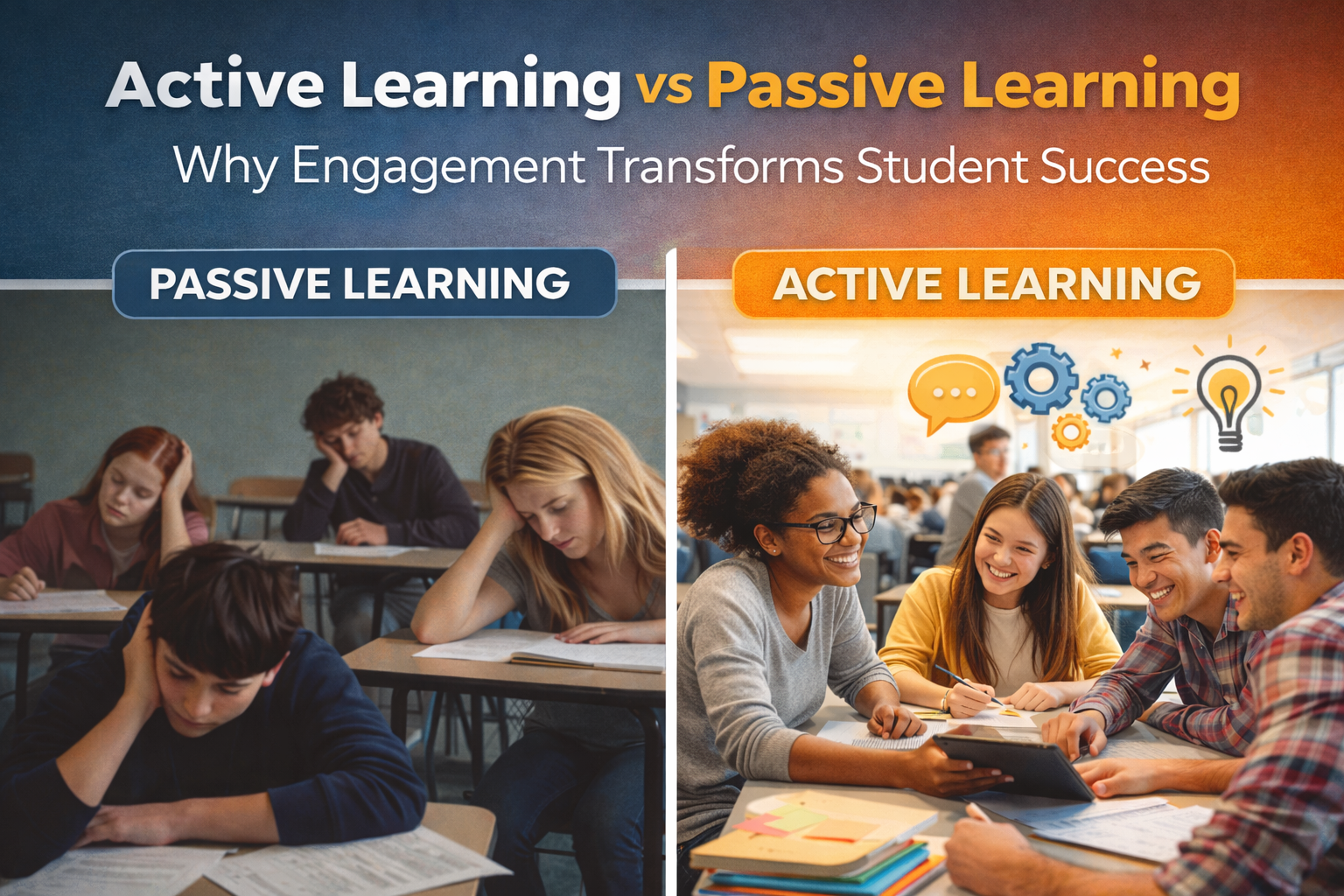
Active Learning vs Passive Learning: Why Engagement Improves Student Outcomes
Discover why active learning dramatically increases student engagement—and how shifting away from passive instruction transforms outcomes.
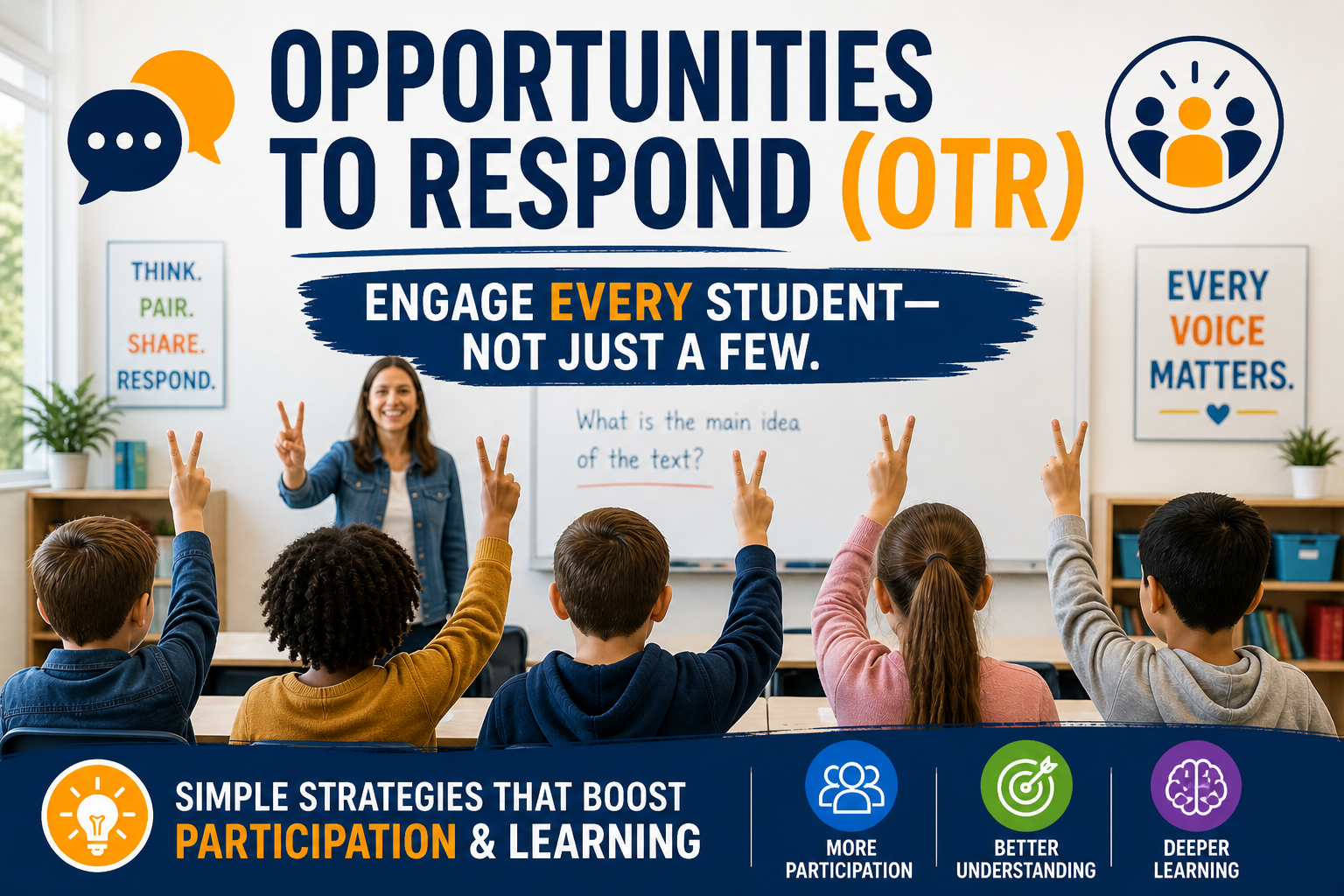
Opportunities to Respond That Improve Student Engagement & Learning
Learn how whole-group response strategies ensure every student participates—not just a few volunteers.
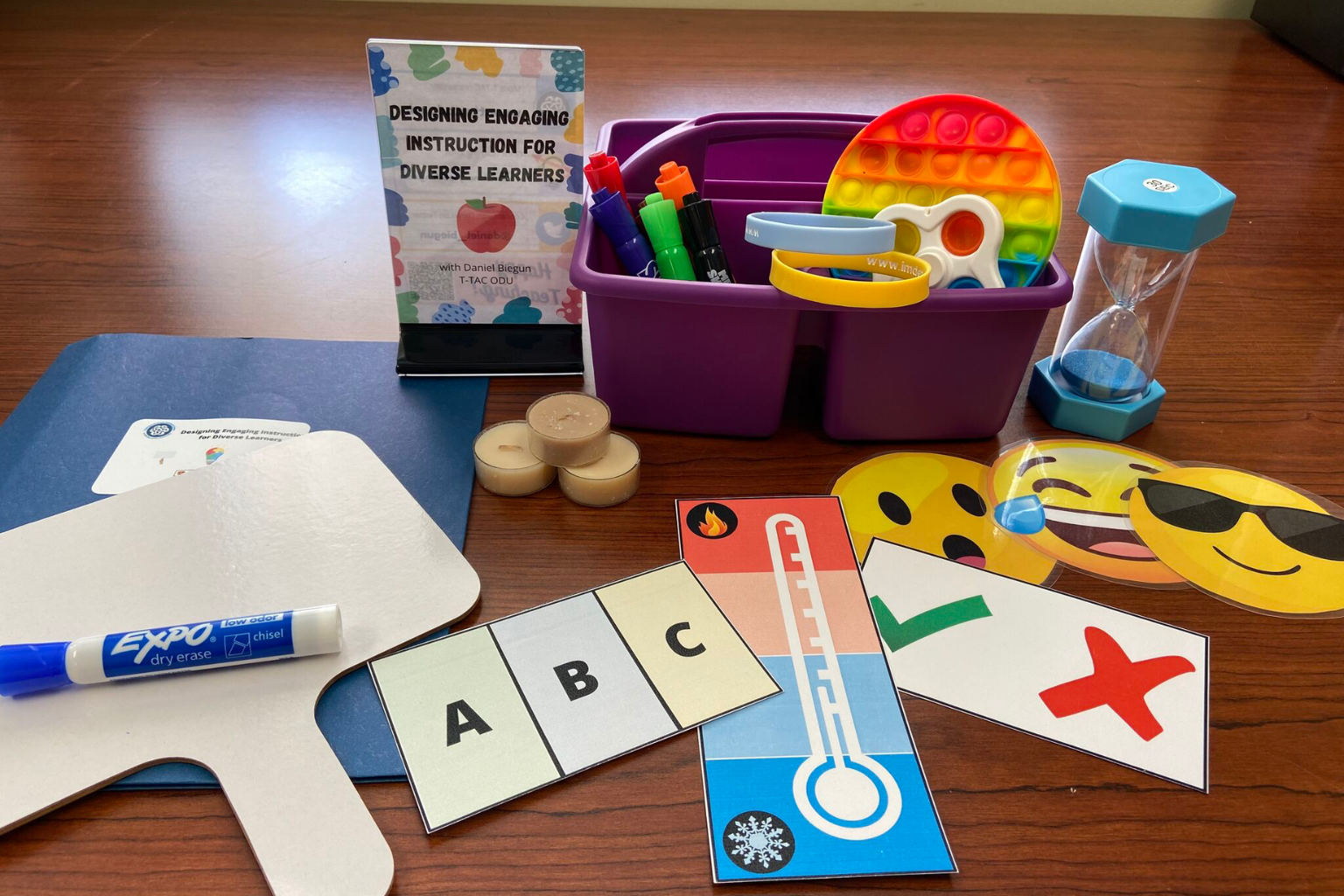
How to Use High-Leverage Practice (HLP) 18 to Increase Engagement
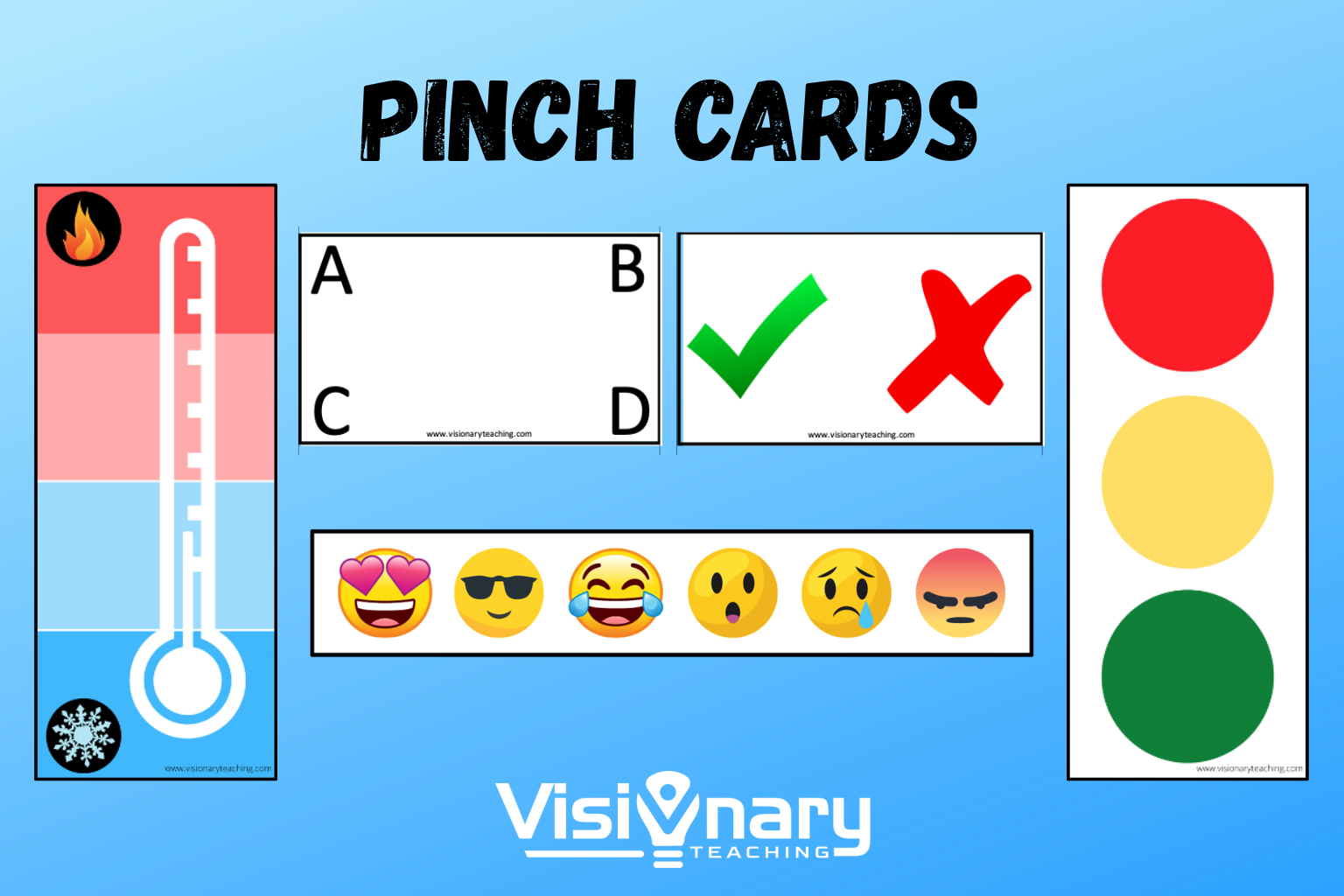
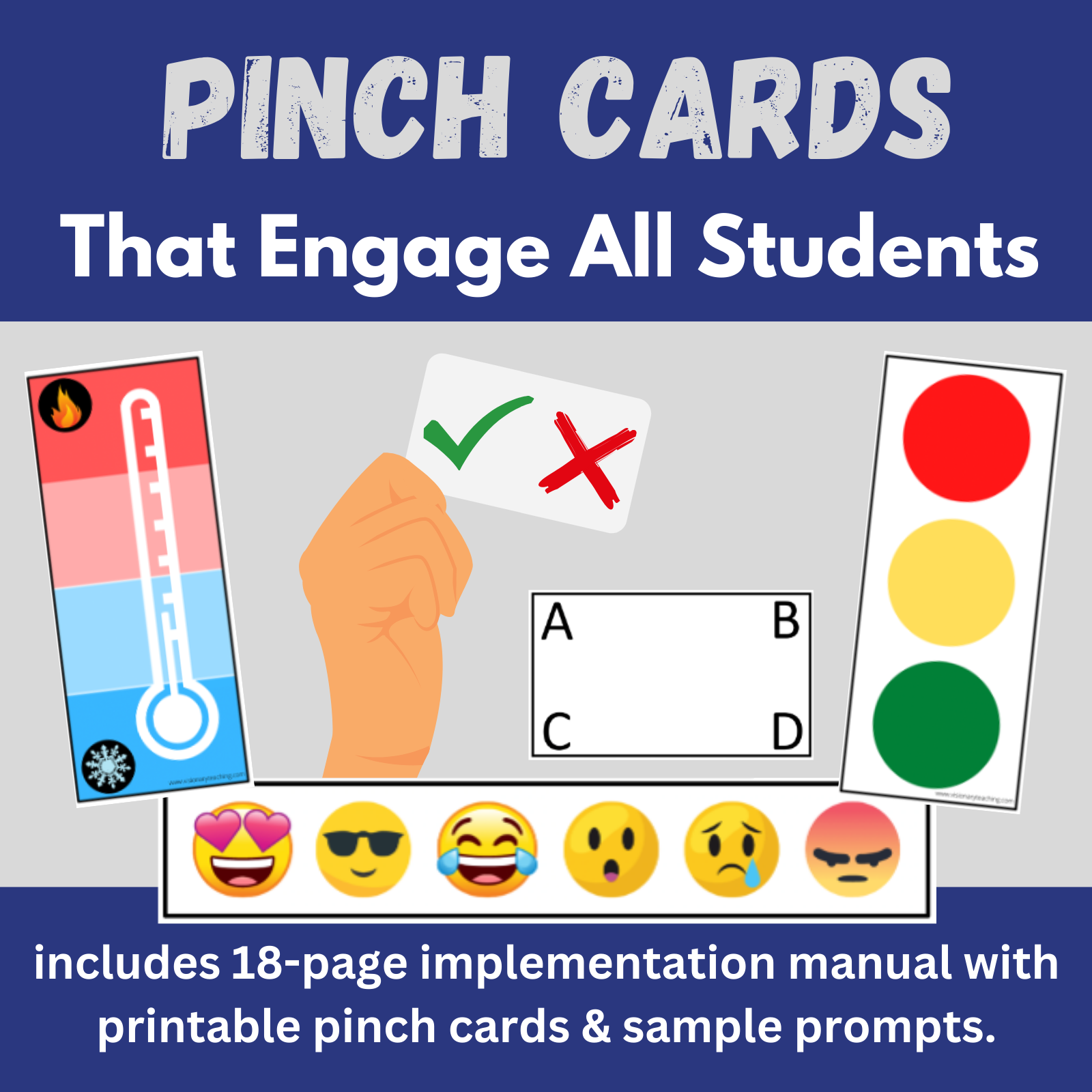
How to Use Pinch Cards for Instant Student Engagement and Formative Assessment
Pinch cards are versatile and engaging tools that allow the entire class to interact with lessons. Learn how to acquire pinch cards and integrate them into your lessons.
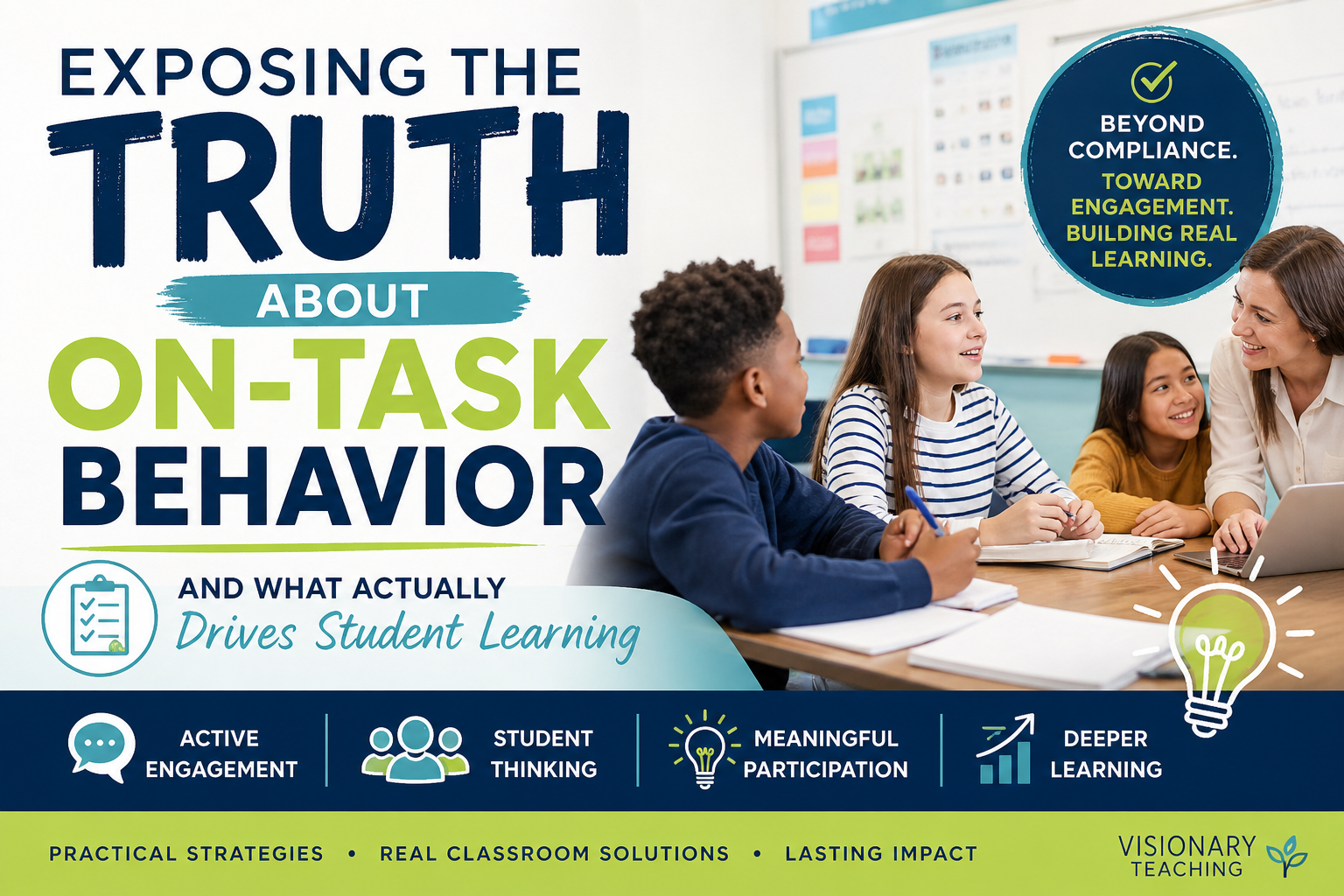
Why “On-Task Behavior” Is the Wrong Goal—and What to Focus on Instead
We often talk about the importance of our students being “on task.” However, being “on-task” is not the same as learning. This article explores ways to increase active learning for all students.
✅ Formative Assessment Strategies
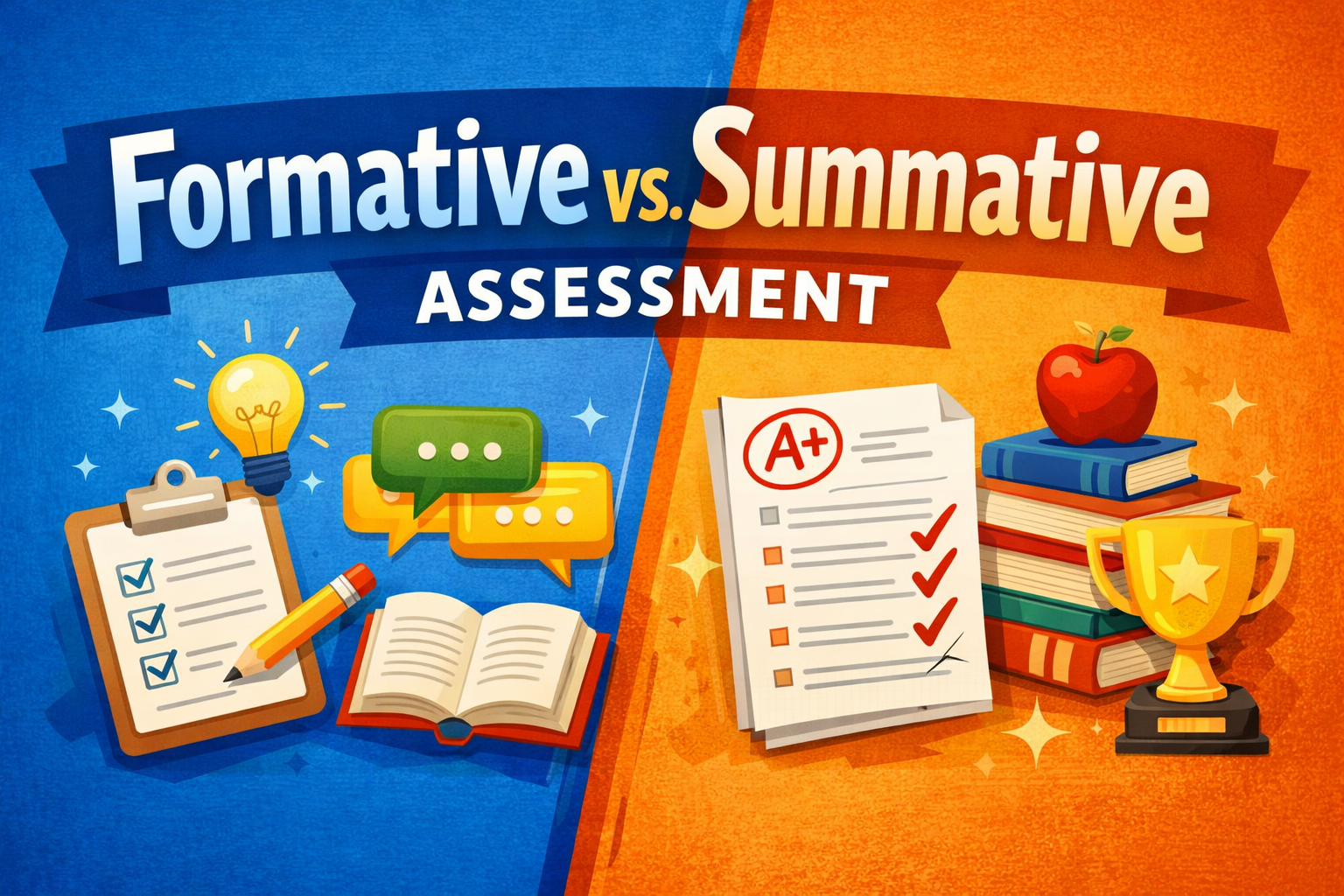
Formative vs Summative Assessment: What’s the Difference and Why It Matters for Learning
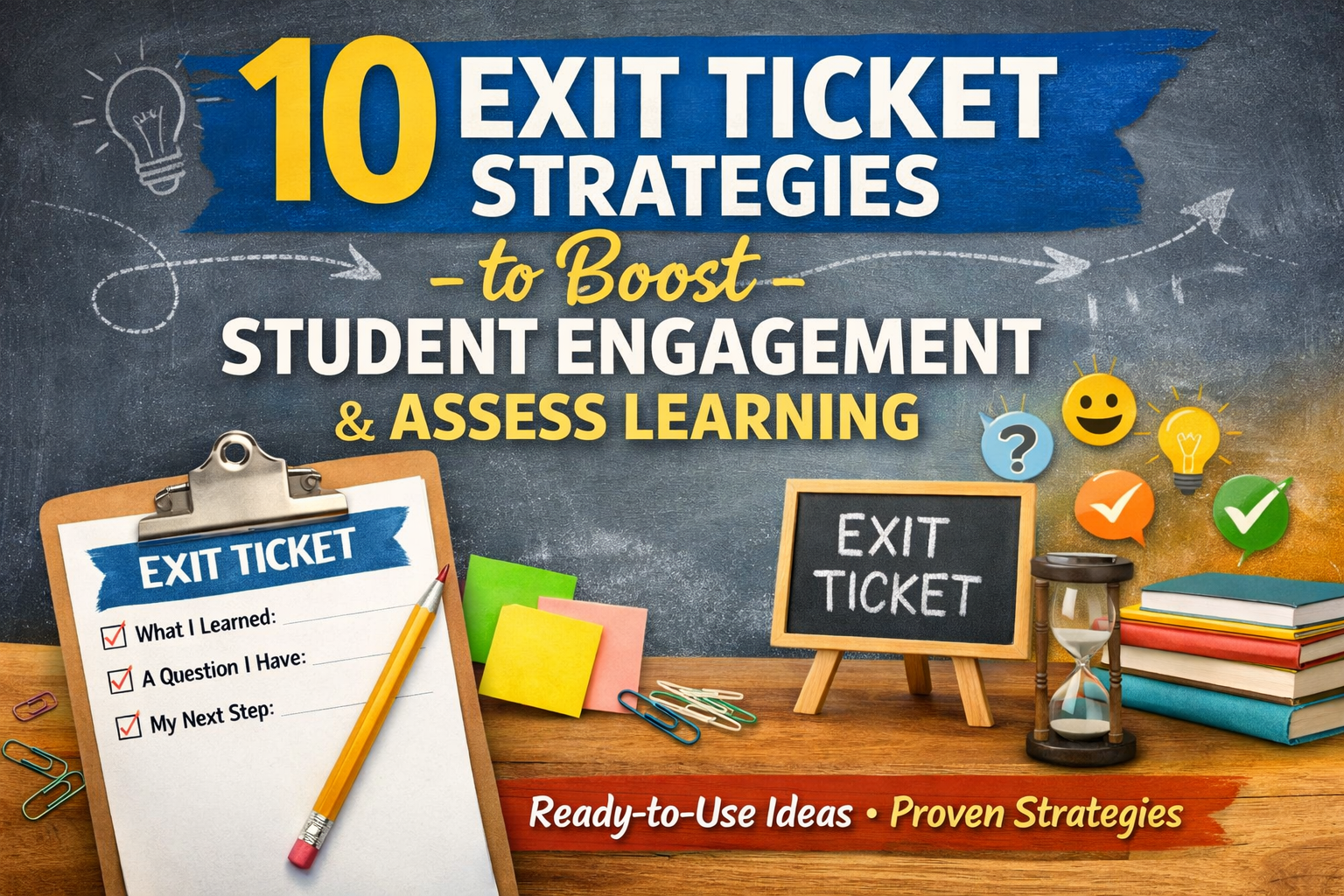
10 Exit Ticket Strategies That Increase Student Engagement and Improve Formative Assessment
Exit Tickets That Increase Engagement & Learning
Exit tickets do more than check for understanding—they drive engagement and inform instruction. Explore practical ideas that make learning visible while keeping every student actively involved.

👉 Back-to-School & Icebreakers
Back-to-School Activities That Build Engagement from Day One
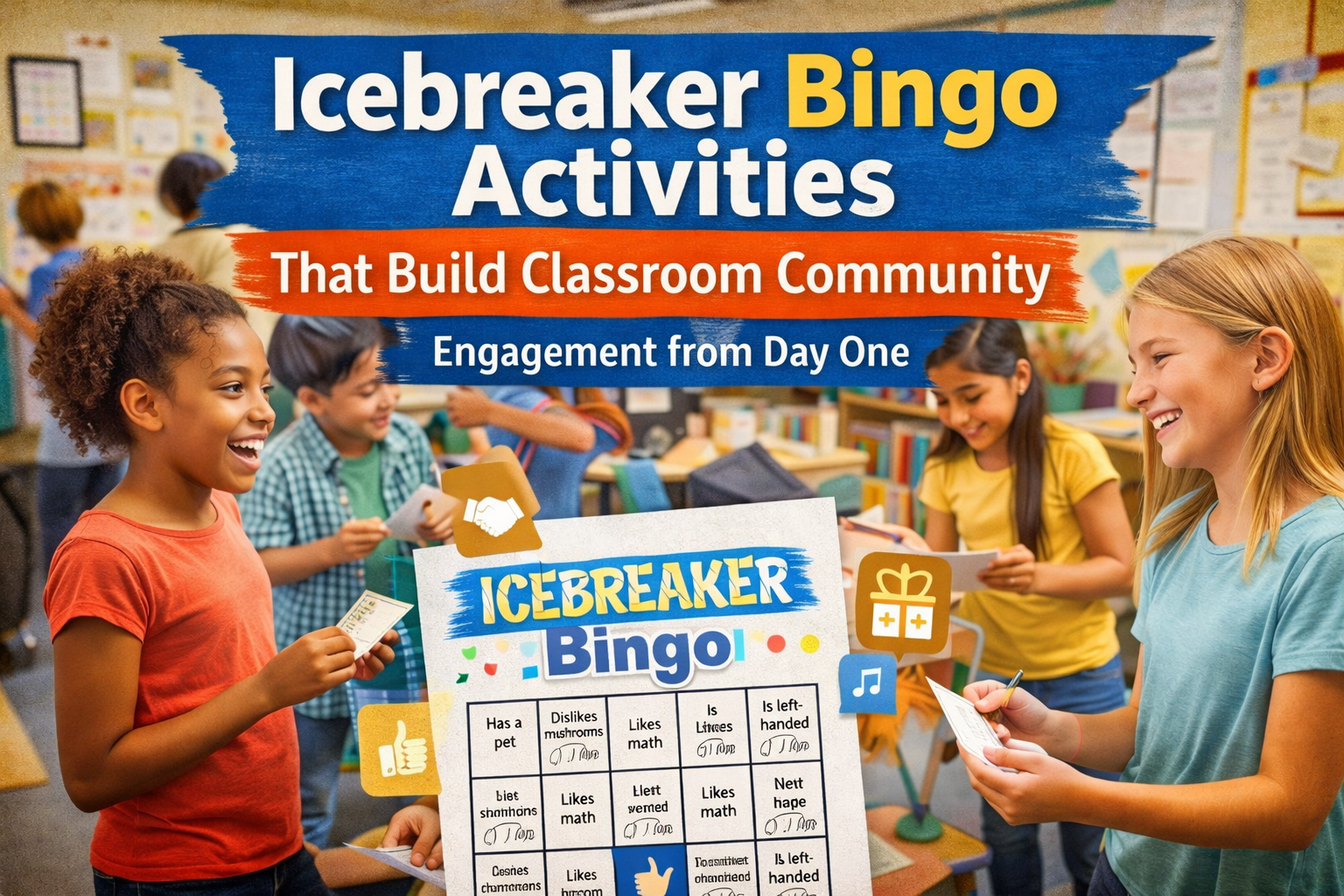
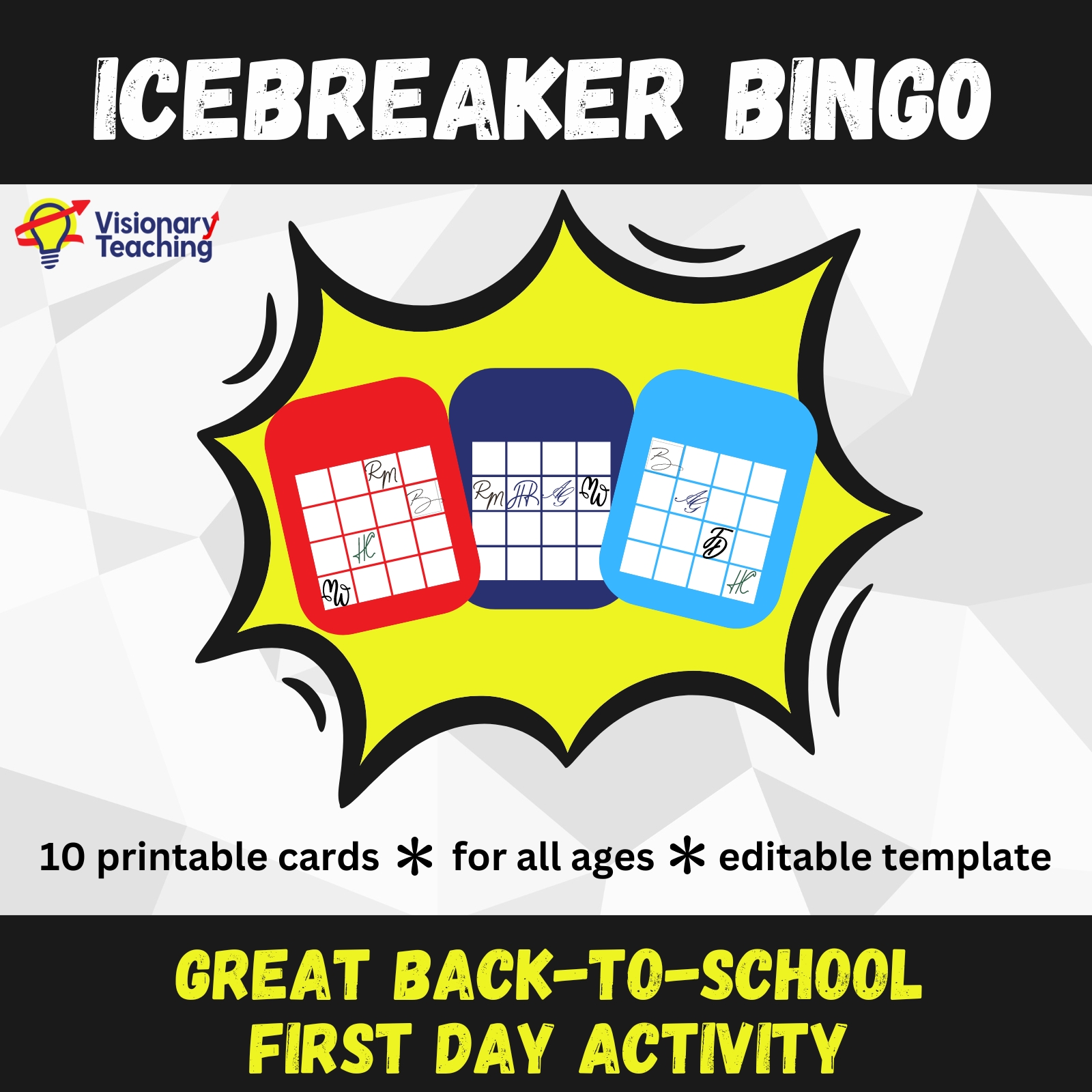
Back-to-School Icebreaker Bingo Activities That Work All Year Long
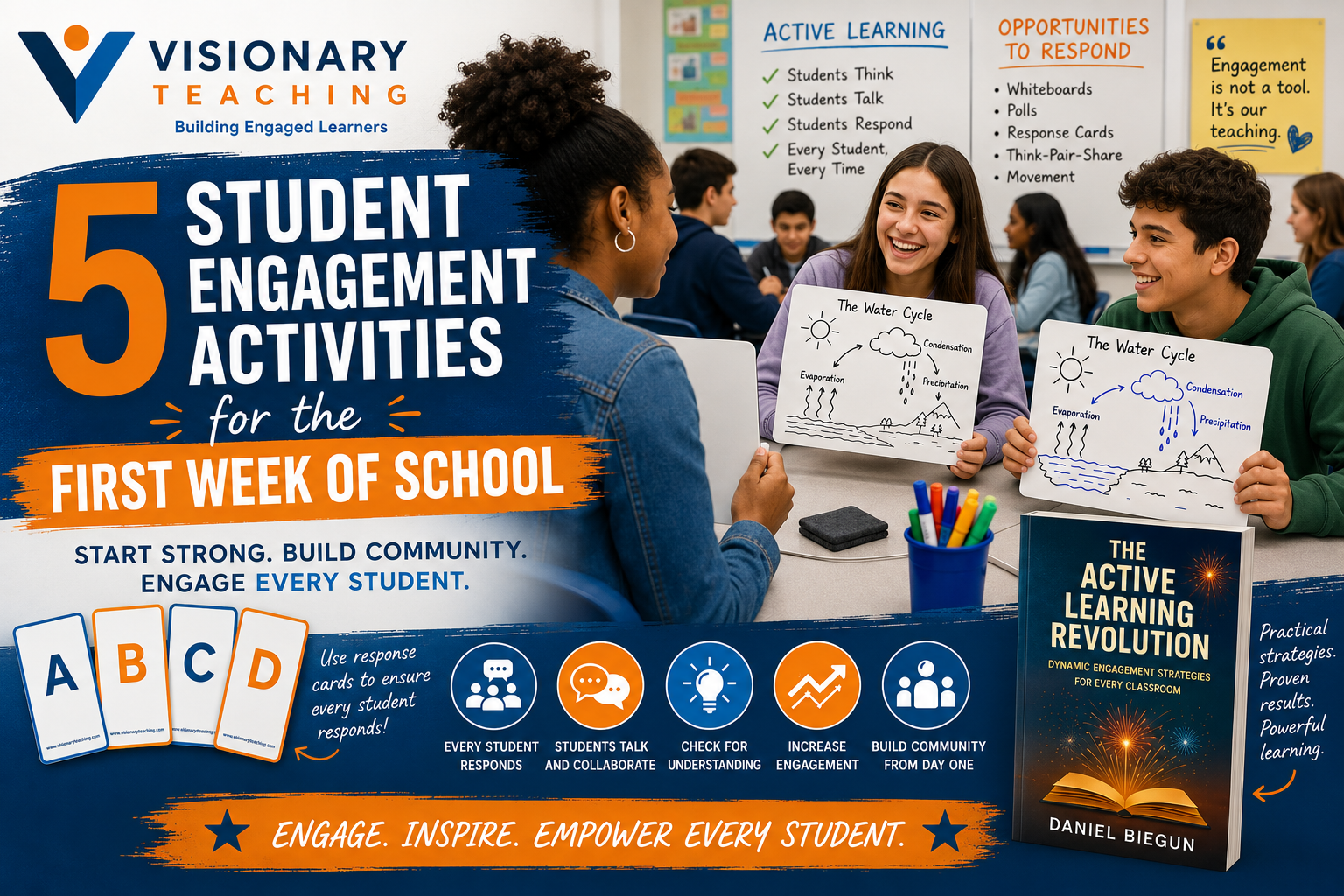
5 Student Engagement Activities for the First Week of School
Kick off the year with these powerful engagement activities that increase participation, build community, & energize learning from day one. You will be ready to move beyond passive instruction and ensure every student is actively engaged.
🚀 Cooperative Learning Strategies
Powerful Cooperative Learning Strategies (And One You Can Try Tomorrow)

Think-Pair-Share-Pair-Share: A New Twist on a Classic Teaching Strategy
🎯 Classroom Engagement Activities
Excellent Ways to Foster Student Choice in the Classroom
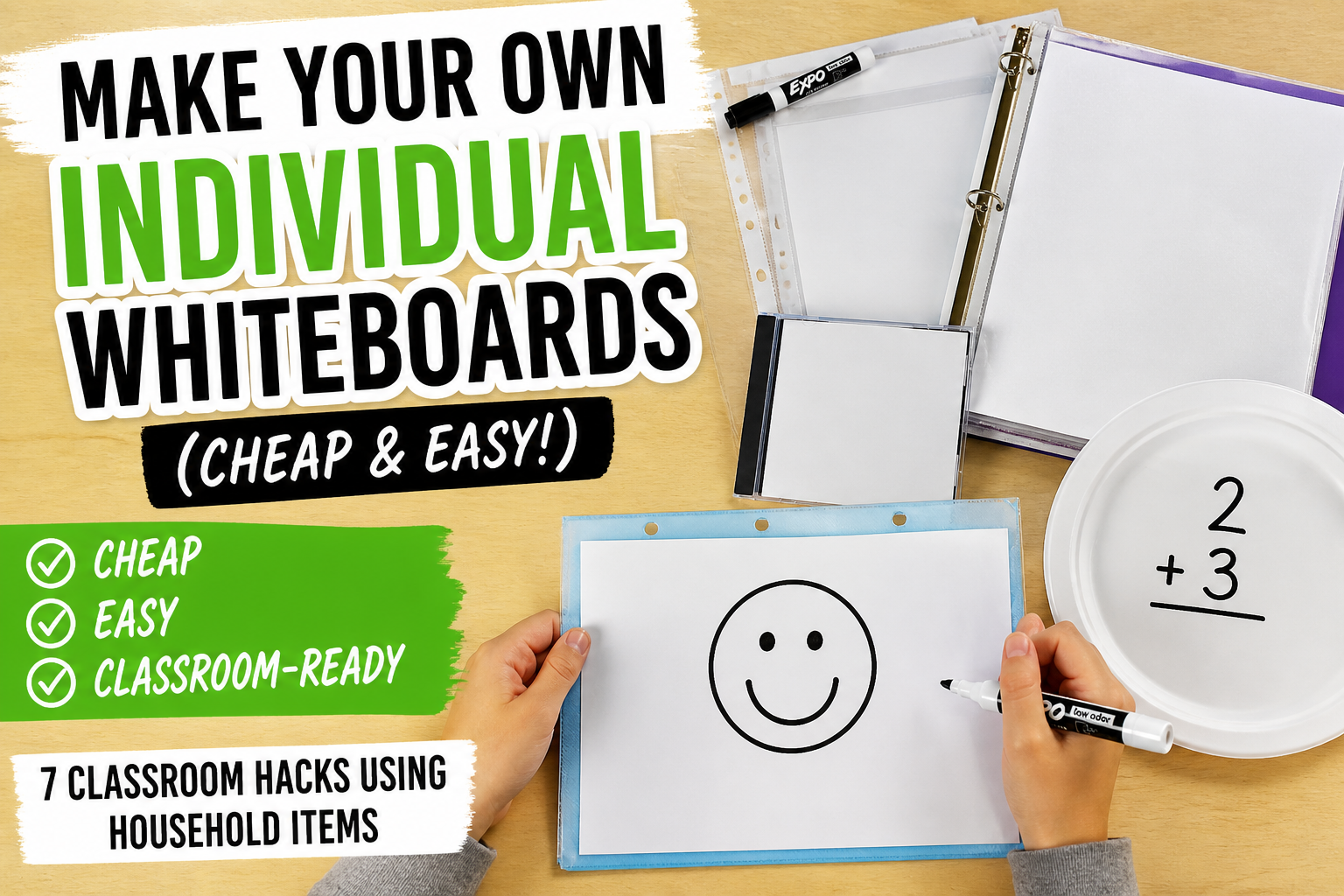
Make Your Own Individual White Boards with Household Items
Bring active learning to your school.
Dr. Daniel Biegun provides highly engaging professional learning experiences that help educators implement active learning strategies immediately.
Participants experience the strategies firsthand and leave with practical tools they can use the next day.
Common Mistakes That Reduce Engagement
Even strong teachers can unintentionally reduce engagement. Watch out for:
- Over-reliance on lecture or direct instruction
- Asking only recall-based questions
- Not allowing enough wait time
- Calling on the same students repeatedly
- Lack of structure during discussion
Small instructional shifts can make a significant difference.
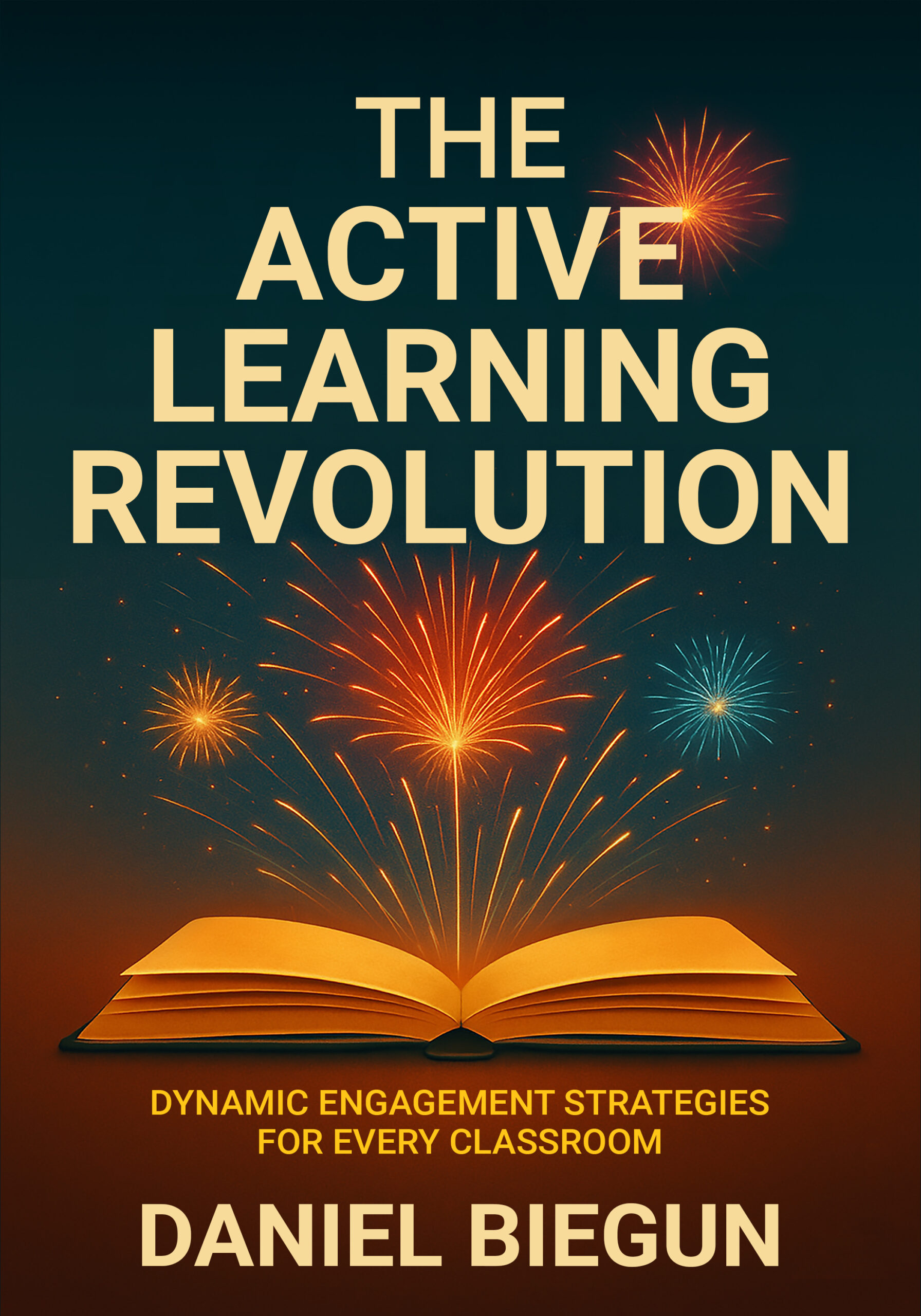
If you’re ready to move beyond passive learning, this book provides practical, classroom-tested strategies that increase engagement, improve learning, and reduce off-task behavior.
Inside, you’ll find:
- Whole-group response strategies
- Movement-based activities
- Collaborative learning structures
- Ready-to-use ideas for any classroom